Calm Corners: Creating a Cozy Space You Actually Use
Turn a forgotten nook into a soothing retreat with warm light, touchable textures, and simple rituals, so you actually use it every single day.
Start With Intention. Cozy corners work best when anchored in a clear intention. Decide what your space should do for you: quiet reading, gentle stretching, mindful journaling, or simply a pocket of rest between tasks. Name the feeling you want to evoke, like calm, curiosity, or groundedness, and let that guide every choice that follows. Identify the friction that keeps you from pausing, and design around it. If grabbing a book is hard, place a small stack within arm's reach. If your shoulders tense easily, include a supportive cushion. Write a short micro-ritual you can complete in five minutes, such as brewing tea and opening your notebook, then practice it until it feels natural. Treat this spot as a permission slip for slowness and presence. When you assign purpose and reduce barriers, the corner becomes more than decor; it becomes a daily ally that nurtures your lifestyle rather than crowding it.
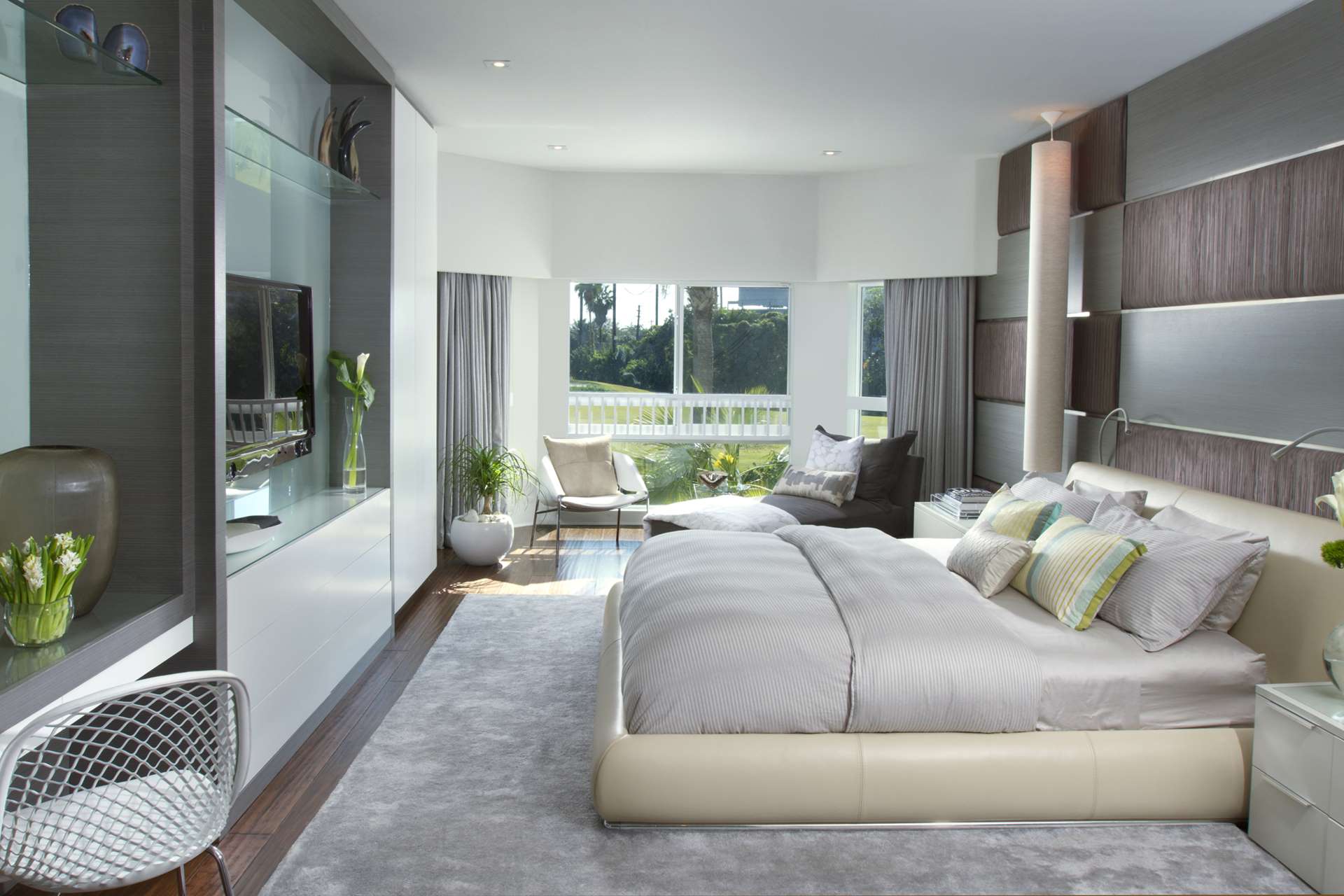
Find the Right Spot. The best nook is often hiding in plain sight. Scan for a place with gentle privacy, minimal foot traffic, and pleasing sightlines. Corners near windows invite natural light, but even an alcove beside a bookcase can feel special with smart zoning. Consider proximity to essentials: water for plants, an outlet for a lamp, a surface for a mug. Notice noise routes from hallways or TVs, and aim for a slight buffer. If space is tight, use vertical planes: tuck a slim shelf for books, mount a small sconce, or lean art to create a focal anchor. A folding screen or curtain can define boundaries without permanent changes. Test different times of day to see how light, temperature, and activity patterns shift. The right spot balances accessibility with retreat, allowing you to step in easily and linger without disruption, so the corner invites use instead of becoming a pretty but forgotten backdrop.
Choose a Seat That Loves You Back. Your seat is the heart of comfort, so prioritize ergonomics, support, and scale. Try a snug armchair with soft yet resilient cushions, a chaise that encourages lounging, or layered floor cushions with a low, firm bolster for posture. Assess seat height relative to your knees, arm height for reading, and back angle for relaxed alignment. Add lumbar support with a small pillow, and consider an ottoman to ease hip and ankle tension. Breathable fabrics improve thermal comfort and make long sits feel effortless. If space is narrow, a compact slipper chair or structured bean bag can still provide a hugged feeling. Keep circulation paths open; your seat should never block door swings or storage. Place a small side table within reach for a book, glasses, or tea to reduce friction. Think of durability, cleanability, and how the piece will age gracefully. When your body feels cared for, your mind naturally follows, transforming the corner into a daily refuge.
Layered Lighting That Flatters. Great nooks glow from layered lighting. Blend ambient, task, and accent sources to achieve depth and mood. A warm, diffused lamp creates a gentle base, while a focused reading light preserves eye comfort. Add a subtle accent, like a small uplight aimed at a plant or artwork, to bring quiet dimension and soften shadows. Choose color temperature on the warmer side for relaxation, and consider dimmers to shift from morning clarity to evening wind-down. Use shades, frosted bulbs, or fabric diffusers for glare control. Position light slightly behind and to the side of your seat to avoid harshness. Reflective elements, such as a pale wall or a framed print, amplify the glow without adding clutter. If overhead fixtures feel stark, let them rest and rely on lower points of light. Thoughtful illumination signals your brain it is time to slow, creating a welcoming atmosphere that pulls you back again and again.
Texture, Warmth, and Flow. Coziness lives in texture. Layer contrasting materials so your hands and feet meet comfort at every turn. A dense rug adds warmth and acoustical softness, while a nubby throw provides tactile interest. Pair smooth ceramics with woven baskets, soft knits with natural wood, or linen with velvet to create depth without visual noise. Keep circulation in mind; allow clear flow so you can enter and settle with ease. Choose a side table with a rimmed tray for a steady mug and a small dish for earrings or a pen, reducing accidental spills and clutter. If you run cool, have a heavier blanket nearby; if you run warm, opt for breathable cotton layers. Repeat a couple of hues from the surrounding room to maintain cohesion, then add one comforting accent color to define the nook. These thoughtful layers build sensory security, teaching your body to relax the moment you step in.
Scent, Sound, and Quiet. A cozy corner resonates through multisensory cues. Keep sound gentle and intentional: soft playlists, a light white noise machine, or a tabletop fountain can mask distractions without demanding attention. Fabric, rugs, and wall hangings improve acoustics, taming echoes that strain focus. Plants do double duty, adding organic texture and subtly dampening sound. For scent, choose a simple aromatic profile that suits your goal: citrus or mint for clarity, lavender or cedar for calm. Use diffusers, a scented sachet, or an unlit beeswax candle for a faint natural note. Embrace small rituals that tell your nervous system it is time to settle, like applying a drop of essential oil to a cloth or taking three slow breaths before you sit. Keep intensity low; the aim is background support, not a statement. Thoughtful sound and scent unify the space, turning a visual corner into a complete sensory refuge.
Tidy by Design. Clutter repels use, so bake organization into the corner. Provide a home for every frequent item: a lidded basket for blankets, a slim magazine rack, a catch-all for pens, and a discreet charging spot with hidden cable management. Choose furniture with integrated storage, like a side table with a drawer, so surfaces stay clear. Add a small tray to gather daily essentials and define boundaries; when the tray is full, it is time to reset. Establish a simple reset ritual you can complete in a minute: fold the throw, return the book, power down the lamp. Keep cleaning tools nearby, such as a lint roller or microfiber cloth, to reduce friction. Rotate a few favorite items seasonally to prevent buildup and renew delight. When tidiness is supported by the layout, not sheer willpower, your corner remains inviting, and you will naturally return to it without the mental load of constant maintenance.
Make It Yours, Then Use It. Personal meaning turns a nice nook into a cherished habit. Choose an anchor object that makes you smile every time you see it, like a framed sketch, a travel stone, or a handmade mug. Layer in cues that support your goals: a gratitude journal, a puzzle book, a gentle stretch band, or a deck of reflection prompts stored neatly within reach. Pair the corner with existing routines you already keep, such as morning tea or evening wind-down, using habit stacking to ensure follow-through. Schedule short, consistent visits rather than rare long sessions, and celebrate small wins to reinforce motivation. Keep the door to change open: adjust cushions, swap the lamp height, or rotate art if the space stops sparking joy. Most importantly, grant yourself permission to pause there daily. When a space reflects your values and lowers barriers to entry, you will not just admire it; you will actually use it.