Clean Label Shopping: Decode Nutrition Labels With Confidence
Shop smarter with a clean-label mindset. Decode nutrition labels, spot hidden additives, and choose simpler, trustworthy ingredients.
What Clean Label Really Means
A clean label is less about perfection and more about transparency and simple ingredients you recognize. When a product emphasizes minimal processing and plain language, it helps you understand what you are choosing without decoding a science textbook. Still, clean does not always equal healthier by default; a short list can still be high in sugar, sodium, or saturated fat. Start by scanning for whole foods at the top of the list, then look at the nutrition panel to confirm balance. Do not fear every unfamiliar term; some are just the scientific names for vitamins or safe processing aids. Focus instead on patterns: repeated sweeteners, artificial colors, or long strings of additives could signal an ultra-processed item. Use the label to match your goals, whether you want more fiber, fewer added sugars, or better protein quality. Clean label shopping is a skill you build, not a rule you follow, and small, consistent choices add up.
Read the Ingredient List Like a Pro
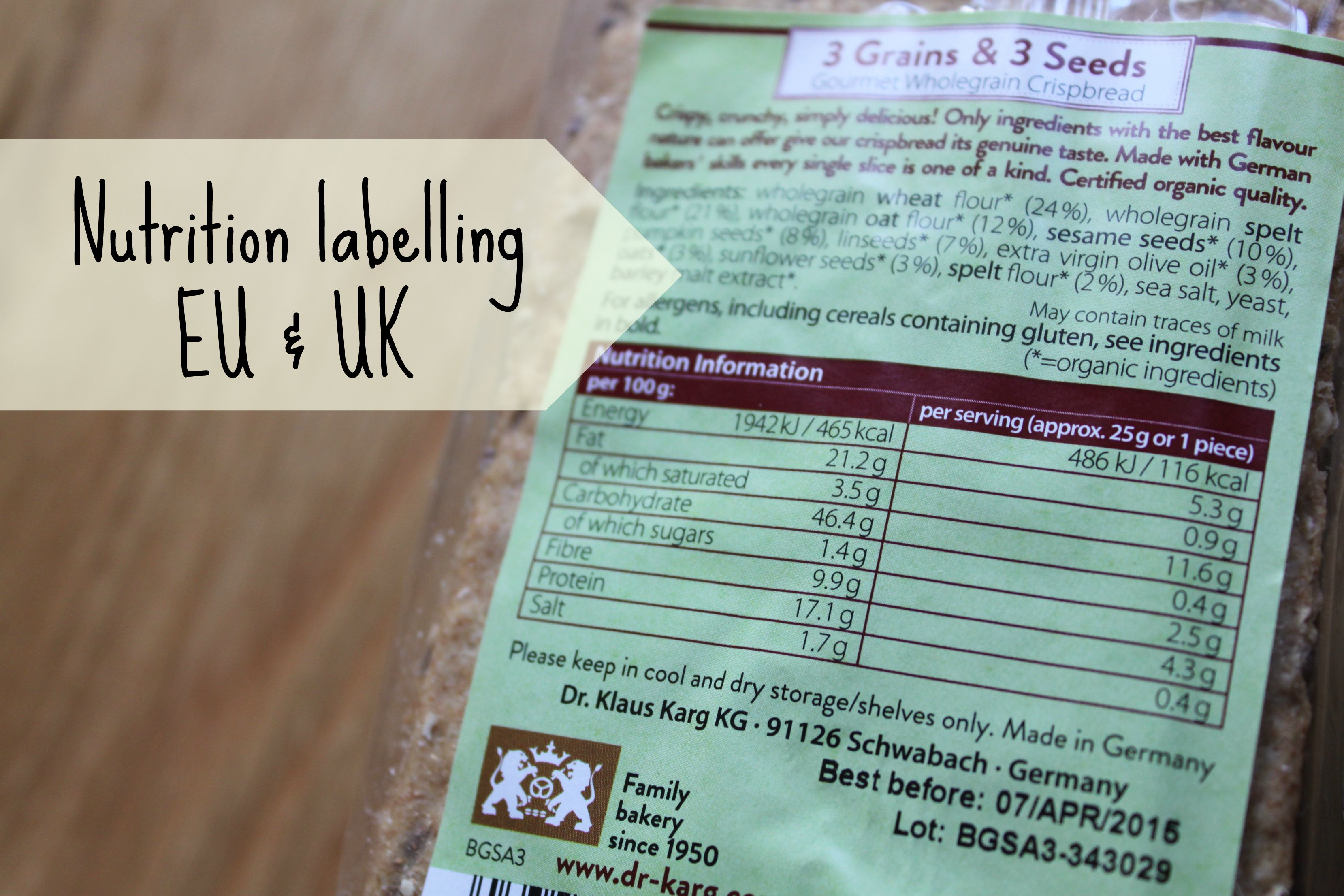
The ingredient list is ordered by weight, so the first items dominate the recipe. If sugars appear early or repeatedly under different names, you are likely looking at meaningful added sugars. Learn common aliases such as cane sugar, honey, maple syrup, dextrose, maltose, fructose, and fruit juice concentrates. Keep an eye on refined oils, sodium sources like salt, broths, and seasonings, and starches that boost texture without nutrition. Watch for clusters of emulsifiers, stabilizers, and preservatives if you are aiming for fewer additives. Compound ingredients in parentheses reveal what goes into mixes like chocolate chips or dressings, so scan inside those, too. Natural flavors can be acceptable for taste, but they should not replace real ingredients that deliver micronutrients or fiber. If you manage allergens, read to the end for may contain statements. Above all, compare similar products: you will often find a version with fewer extras and more whole-food components.
Make the Nutrition Facts Work for You
The Nutrition Facts panel turns ingredients into numbers you can compare. Begin with serving size and servings per container; packages that look single-serve may contain multiple servings, doubling or tripling calories, sodium, and sugars if you eat it all. Use percent Daily Value to spot highs and lows at a glance: around five percent is low, twenty percent is high, helping you gauge fiber, calcium, iron, and potassium quickly. Prioritize more fiber and protein for staying power, and keep an eye on saturated fat, sodium, and added sugars. Be mindful of rounding rules; a product labeled zero can still contain a small amount per serving. Claims like low, reduced, or light have specific thresholds but may not suit your goals if portions are large. When comparing across brands, equalize portions and look per gram or per cup where possible. Over time, this habit makes better choices almost automatic.
Decode Front-of-Pack Claims and Seals
Eye-catching front-of-pack claims can guide or mislead. Phrases like natural, made with whole grains, or no preservatives sound reassuring, but always verify with the ingredient list and Nutrition Facts. A product can be organic or non-GMO and still be high in sugar or sodium. Gluten-free is essential for those who need it, yet it does not automatically make an item nutritious. Words like light, low, free, and reduced refer to specific nutrient levels compared to standards or reference items; check how that affects calories and taste in real portions. Whole grain claims should be backed by whole grains early in the ingredient list, not just a sprinkle. No added sugar is different from unsweetened; fruit purees and concentrates can still contribute sweetness. Treat seals and badges as starting points, not final verdicts. The back of the package remains your most reliable path to clean label confidence.
Build a Smarter, Cleaner Shopping Routine
Turn label literacy into everyday wins with a simple plan. Start a shortlist of go-to items with short, clear ingredient lists and strong nutrition profiles, then rotate flavors to avoid taste fatigue. Compare unit prices to balance cost with quality, and consider store brands that mirror premium formulas with fewer additives. Stock pantry basics like oats, beans, nuts, seeds, canned fish, spices, and minimally processed sauces to anchor fast, balanced meals. For snacks, pair protein and fiber for steady energy. If you manage allergens, keep a dedicated section in your cart and kitchen, and always recheck labels since recipes can change. Practice meal planning and batch prep so you are not forced into last-minute, less clean options. Store perishables properly and rotate first in, first out to reduce waste. Progress beats perfection: each thoughtful swap moves your cart toward whole foods, better balance, and lasting health.