Color Pairing Secrets: Create Polished Outfits with Confidence
Master color pairings with simple formulas—neutrals, 60-30-10 balance, and undertones—so every outfit looks intentional, modern, and polished.
Master the Color Wheel: Great outfits begin with understanding how colors relate. Think of the wheel as your map: complementary hues sit opposite and create vibrant contrast, like navy with burnt orange or burgundy with deep green. Analogous pairings neighbor each other and feel harmonious, such as teal with blue and navy. A triadic scheme spaces colors evenly around the wheel for lively balance; soften one or two shades to keep it wearable. Explore split-complementary by pairing a color with the two hues flanking its opposite, giving contrast without harshness. Refine any combo by adjusting value (light to dark) and saturation (muted to vivid). A dusty accent reads refined against muted partners, while a bright accent pops against softer bases. When you see a pairing that feels off, tweak the value first—lighten or deepen one element—then adjust saturation. This simple method lets you translate runway ideas into real life with polished, confidence-boosting results.
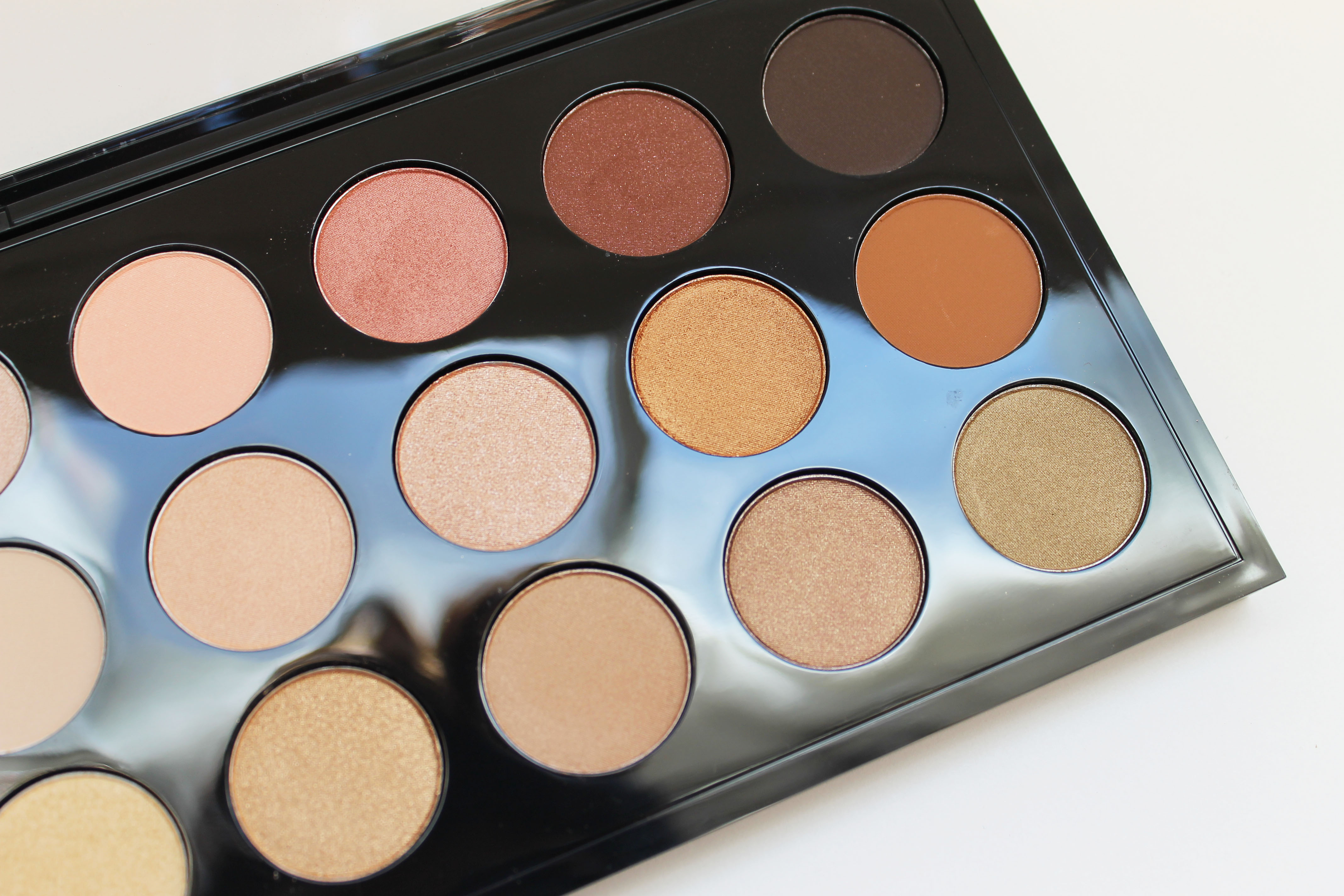
Neutrals as Your Foundation: A wardrobe built on reliable neutrals makes color decisions effortless. Black, white, charcoal, navy, tan, and cream mix seamlessly, while metallics like soft gold, rose gold, or brushed silver act as modern neutrals that bridge cool and warm accents. Pay attention to undertones: cool gray partners beautifully with sapphire or fuchsia, while camel glows with olive or rust. Start ensembles with a neutral column—say, navy trousers and a navy knit—then add an accent in a scarf, shirt, or shoe. For low-effort polish, try monochrome neutrals with mixed textures: matte wool, silky satin, and supple leather create depth without visual noise. When in doubt, keep your base neutral and repeat your accent once more—perhaps a belt echoing a bag—to look intentional, not random. This approach anchors bolder hues, stretches your closet, and ensures every piece has multiple pairing partners.
Play with Contrast and Proportion: The secret to striking outfits is contrast placed with purpose. Mix value contrasts—light with dark—for crisp definition, or blend mid-tones for softer elegance. Offset saturation levels by pairing a bold accent with mellow companions; this spotlights the right element without overwhelm. Use the classic 60-30-10 balance: let one color dominate, a second support, and a third act as a precise accent color. Decide where you want attention: near the face for impact, at the waist for shape, or at the feet for a grounded finish. Consider proportion across garments too; if your coat is a vivid statement, keep the knit and trousers quieter. Small accessories can repeat the accent—earrings, a watch strap, or a subtle rim—building cohesion. When experimenting, swap just one variable at a time: first lighten the base, then mute the accent, then shift undertone. Iterating like a stylist turns guesswork into dependable, repeatable choices.
Patterns, Texture, and Finish: Prints and fabrics add dimension to color stories. To mix patterns with confidence, vary scale—pair bold stripes with a micro dot—or combine one statement motif with a subtle, low-contrast partner. Ensure they share at least one color so the eye reads unity. Let texture do quiet heavy lifting: ribbed knits, brushed flannel, smooth silk, and pebble-grain leather create depth in a single-hue look, transforming simple monochrome into something rich and intentional. Balance finish as well: matte tones down brightness, while a hint of sheen enlivens dark palettes. For saturated colors, choose fabrics with movement—silk or viscose—to soften intensity; for pale tones, add structure—twill or denim—to prevent washout. If a print feels loud, neutralize it with a solid pulled from within the pattern, then repeat that color in a small accessory. This harmony of color, texture, and finish ensures outfits feel polished from a conversational distance and impressive up close.
Build a Capsule with Confident Pairings: Create a small, strategic palette to streamline daily dressing. Select two anchor neutrals—for example, navy and cream—then add three complementary accents you love, such as coral, sage, and soft lilac. Ensure every accent pairs with both neutrals and at least one other accent, forming a web of reliable outfits. Craft go-to formulas: navy base with coral pop; cream base with sage jacket; tonal lilac layers finished with metallic accessories. Include a printed piece that contains your key hues to tie looks together. Rotate value (light to dark) with the seasons, but keep the palette steady so your pieces interlock. When shopping, test new items against your capsule colors; if it works with three pieces you already own, it will earn its place. Maintain a notes list of winning combinations, and repeat them with small tweaks in texture, proportion, or accent placement. Confidence grows when your closet consistently cooperates.