Denim Decoded: Fits, Washes, and Care Made Simple
From skinny to straight and raw to stonewash, decode denim fits, washes, and care with easy tips to find your perfect pair and make it last.
Fit Fundamentals
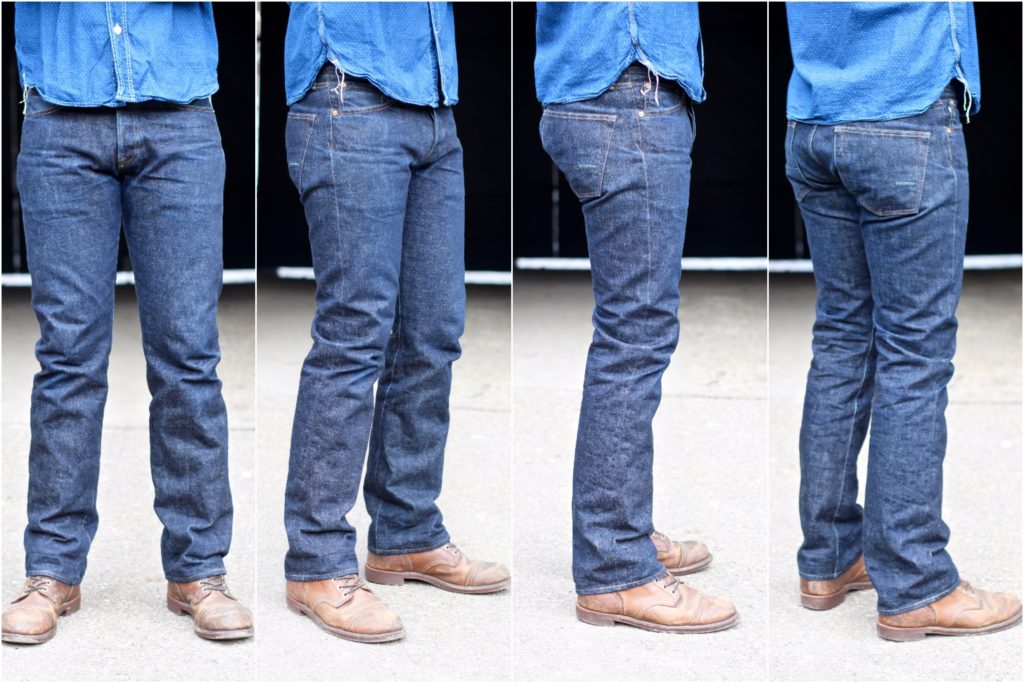
Denim fit defines your silhouette, comfort, and confidence. Start by learning the core shapes: straight, slim, skinny, tapered, relaxed, and bootcut. A straight fit runs parallel from hip to hem, creating balance for most body types. Slim trims excess without clinging, while skinny narrows through thigh and calf, emphasizing a sleek line. Tapered offers room in the thigh with a narrower leg opening, ideal if you want structure without tight calves. Relaxed gives ease through seat and thigh, great for movement and casual looks. Bootcut subtly flares to clear chunkier footwear. Pay attention to the seat, thigh, and knee; these areas determine comfort before you even consider the hem. Try on with your usual shoes to gauge the break over the vamp. Sit, stride, and squat to test mobility and avoid bunching. If a style fits in the waist but strains at the thigh, a tapered or athletic cut can solve it without sizing up.
Rise, Proportions, and Movement
The rise is the distance from crotch to waistband, and it frames how tops meet your jeans. High-rise elongates legs and supports the midsection, anchoring tucked shirts and crops. Mid-rise is the versatile middle ground, aligning with natural proportions for everyday wear. Low-rise sits below the waist and can visually lengthen the torso, but it demands a secure fit in the seat to prevent sliding. Consider your torso length, where you like your belt to sit, and how you style tops. The inseam affects stacking and cuffing; longer inseams allow a neat roll or a slight stack, while a precise hem keeps a tailored look. Assess the yoke and back rise for comfort when sitting; a deeper curve often hugs better without gaping. Do a comfort check: walk briskly, lift knees, and reach forward to feel the waistband stability. If the waistband twists, look for a reinforced band or a cut with better hip-to-waist balance.
Fabric, Weight, and Stretch Science
Great denim begins with fabric. Classic 100% cotton delivers structure and patina-rich fades, while blends with elastane, T400, or modal add comfort and recovery. Consider weight: lighter denim feels breathable and drapes softly, midweight balances durability and ease, and heavier options develop pronounced creases and long-term shape retention. The twill direction matters too. Right-hand twill often feels crisper, left-hand twill can wash down softer, and broken twill reduces leg twist. Ring-spun yarns introduce natural irregularities for depth, while smoother yarns read more polished. Selvedge denim, woven on narrow looms with a clean self-finished edge, tends to be dense and characterful; cuff to display the selvedge ID if you like. Stretch content governs comfort, but recovery prevents bagging at knees and seat; look for blends designed to snap back after wear. If you prefer a sculpted look, low-to-moderate stretch keeps structure. For all-day comfort, a higher stretch with strong recovery offers freedom without slouching.
Washes and Dyes Demystified
Washes shape mood and versatility. Raw or rigid denim is untreated after dyeing, arriving deep and inky; it molds to your habits, rewarding patient wearers with personalized fades. Rinse wash softens stiffness while retaining a dark tone that pairs well with everything from tees to blazers. Dark indigo is the most adaptable for dressier settings, minimizing contrast stitching and reading refined. Mid wash introduces gentle highlights for casual ease. Light wash evokes a relaxed, lived-in vibe and spotlights texture. Black and charcoal add edge and polish; they transition effortlessly between day and night. Some jeans are garment-dyed for uniform color or overdyed to deepen tone. Indigo cast influences undertone: a red-cast skews warm, a green-cast skews cool, and a neutral-cast plays well with most palettes. Look for modern, lower-impact techniques like enzyme or ozone finishing if sustainability matters to you, as they can achieve dimension with reduced resource use.
Finishes, Details, and Personality
Finishes tell a story. Whiskering at the hips and honeycombs behind the knees simulate natural wear, while subtle abrasion along seams adds dimension without distress. If you like patina but want longevity, choose restrained fades that will age more slowly. For durability, inspect stitch density, bar tacks at stress points, and reinforced pocket bags. Hardware matters: rivets protect corners, a button fly lends heritage charm, and a zip fly speeds daily wear. A chain-stitch hem creates a roping effect when washed, a small detail that signals craftsmanship. Selvedge cuffs showcase the clean edge and add a visual stripe when rolled. Thread color influences mood: contrast stitching reads rugged; tonal stitching feels minimal. Style-wise, dark indigo complements structured layers and leather footwear, while light wash loves sneakers, soft knits, and sun-faded palettes. Balance proportion by pairing relaxed jeans with a sharp jacket, or slim cuts with chunkier soles to ground the profile.
Care Rituals That Preserve Color and Shape
Thoughtful care extends life and looks. Wash less often to preserve indigo and fit; rotate pairs and spot clean between washes. When laundering, turn jeans inside out, choose cold water, and use a mild, color-safe detergent. Avoid bleach and heavy fabric softeners that weaken fibers and dull color. Select a gentle cycle, then air-dry flat or hang by the waistband to maintain shape. If you must machine dry, use low heat and remove slightly damp, smoothing seams while they finish drying. To refresh without washing, air them out, use a garment steamer, or lightly mist with a fabric spray designed for odors. Tackle stains promptly: blot, do not rub; for oil, a drop of dish soap can lift residue before washing; for mud, let it dry and brush away solids first. With raw denim, expect crocking and transfer; pair with dark layers at first, and delay the first wash to let creases set.
Longevity, Repair, and Smart Buying
Sustainable denim starts with smart habits. Choose quality stitching, a versatile wash, and a fit you will reach for often; this reduces churn and maximizes wear per purchase. Store folded to prevent hanger pinch, or hang with clamp hangers lined with felt to protect the waistband. Rotate pairs so high-friction areas like the crotch and pocket edges can rest. At the first sign of thinning, consider darning or patching from the inside to stop blowouts; early repairs are nearly invisible and dramatically extend life. If hems drag, request a chain-stitch or clean lockstitch at a trusted tailor, matching the original thread tone. Resize with a taper or waist nip if your body changes rather than replacing outright. When a pair truly reaches the end, upcycle into shorts, utility rags, or patchwork projects, or pass on wearable pieces to secondhand channels. Thoughtful care and timely repair let denim age beautifully and responsibly.