Entertaining Outdoors: Set the Perfect Patio Table
Set a stylish, weather-smart patio table with layered textures, unbreakable serveware, soft lighting, and thoughtful zones for effortless outdoor entertaining
Plan the Stage: Space, Flow, and Comfort
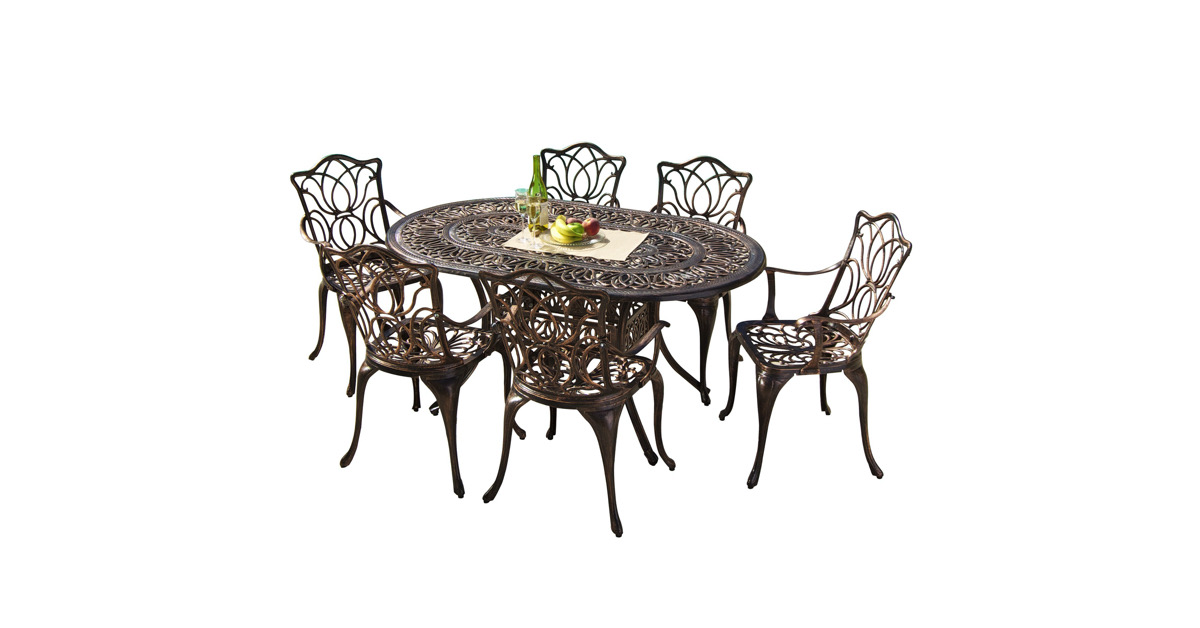
Begin by mapping your patio's layout so the table anchors the scene without blocking pathways to the kitchen, grill, or garden. Aim for generous circulation; guests should slide out chairs easily and servers should move without sidestepping umbrellas or planters. Consider shade and wind exposure when deciding table orientation, and add a rug rated for outdoors to visually define the dining zone while adding traction. Prioritize comfort with supportive chairs, breathable cushions, and lumbar pillows that can be spot cleaned. Materials matter: teak, powder‑coated aluminum, all‑weather wicker, and high‑density resin resist the elements and clean up quickly. Keep surfaces level by shimming uneven pavers and use furniture glides to protect decking. If space is tight, choose an oval or round table to soften corners and encourage conversation. A small side console keeps condiments, napkins, and water nearby so the tabletop stays uncluttered. Thoughtful zoning and ergonomic placement elevate both form and function.
Choose a Cohesive Palette and Practical Tableware
Build a simple, repeatable palette that threads through plates, napkins, candles, and flowers. Pull colors from surrounding foliage, stonework, or outdoor cushions to create visual continuity. For durability, use melamine or enamel plates for everyday alfresco meals, saving stoneware for calmer conditions. Acrylic or Tritan drinkware reads like glass without the breakage risk, and stainless or powder‑coated flatware handles humidity. Add chargers to frame dinner plates and protect textiles, and include small side plates for bread or shareable bites. Mix matte and glossy finishes for depth, and balance pattern with solids so the table feels lively, not busy. Napkin rings, petite salt cellars, and a dedicated water carafe convey polish while keeping the service intuitive. Choose pieces that nest and stack for painless transport and storage. Above all, prioritize outdoor‑friendly materials, easy cleaning, and a color story that you can flex across seasons by swapping just one or two accents.
Textiles and Layering That Work Outdoors
Textiles set the mood, soften sound, and add tactile charm. Start with a tablecloth or runner sized to your surface; a generous drop looks elegant but should not tangle with knees. Choose outdoor fabrics or coated cottons that repel spills, and keep a stain‑removal kit handy for wine, oil, and berry splashes. Layer placemats to define settings and add structure under softer cloths, and coordinate cloth napkins with either a tonal or complementary hue. Play with texture: linen blends feel relaxed, seersucker and chambray suggest coastal ease, while jacquards bring subtle pattern without overwhelming the centerpiece. Consider pattern scale so motifs do not clash; if the runner is bold, keep napkins quiet and vice versa. In breezy conditions, use low‑profile napkin weights or tie napkins in casual knots. For longevity, dry textiles fully before storing, and rotate sets to distribute wear. Smart layering keeps your table polished yet practical.
Meaningful Centerpieces and Natural Accents
A compelling centerpiece should be low enough to preserve sightlines while adding dimension. Think beyond tall bouquets; potted herbs, petite succulents, citrus in shallow bowls, or branch cuttings in bud vases bring texture and scent without obstructing conversation. Arrange pieces in an odd‑number cluster and vary height subtly to create movement across the table. If candles are part of the plan, shelter them in hurricanes or lanterns to prevent drafts from extinguishing flames and to protect surfaces from heat. Choose fragrances with a light hand so they do not compete with the meal. Work in natural materials like woven trays, river stones, or driftwood to echo the outdoor setting, and repeat hues from your palette for cohesion. For a family‑style service, leave negative space so platters can land gracefully. Keep maintenance in mind: drought‑tolerant plants and water tubes for stems reduce pre‑dinner fuss and help your table stay fresh longer.
Lighting and Atmosphere After Sunset
As day fades, thoughtful lighting transforms the patio from pleasant to magical. Combine layers: overhead string lights for a warm canopy, tabletop lanterns for intimacy, and discreet path or step lights for safety. Choose warm color temperatures to flatter faces and food, and incorporate dimmable or multiple sources so you can tune the ambiance from lively to romantic. Shield flames from wind with glass or metal enclosures, and consider rechargeable LED candles where open flames are impractical. Avoid glare by aiming lights across surfaces rather than directly at eyes, and keep cords tidy with clips or ground stakes. Reflect light off pale walls, umbrellas, or a centerpiece tray to amplify glow without extra fixtures. If insects are active, place repellents at the perimeter rather than on the tabletop. With balanced task, accent, and ambient lighting, your setting remains welcoming after sunset, highlighting beautiful textures while keeping everyone comfortable.
Service Flow, Comfort, and Smart Finishing Touches
Plan service flow so dining feels effortless. Decide between family‑style platters or a nearby buffet to reduce reach and preserve centerpiece space. Station drinks on a side table with ice, garnishes, and a towel so guests can self‑serve without crowding the dining surface. Use insulated pitchers and chill sleeves to keep beverages frosty, and set out coasters and trivets to protect wood and stone. Keep a discreet caddy with extra napkins, a crumb brush, and wipes for fast resets between courses. For comfort, provide throws on cool evenings, fans or a gentle mist on hot afternoons, and umbrella tilt options for shifting sun. A few decorative details—place cards, menu cards, or a sprig of rosemary on each napkin—add ceremony without fuss. Always have a weather backup: seat cushions that dry quickly, covers within reach, and a clear route indoors. End with an easy cleanup plan, sorting compost, recycling, and trash so teardown is as graceful as the meal.