Gut Health 101: How to Nourish Your Microbiome Naturally
Learn the science-backed basics of gut health and simple, natural habits—fiber, fermented foods, sleep, and stress care—to nourish your microbiome.
Microbiome Basics: Your gut hosts a vast community of microbes that help digest food, produce vitamins, train the immune system, and communicate with the brain via the gut–brain axis. A thriving microbiome looks like a diverse rainforest: many species coexisting, each doing small jobs that add up to big results. When you nourish this ecosystem with fiber-rich, minimally processed foods, beneficial bacteria create short-chain fatty acids that support the gut lining and overall well-being. Diversity is the cornerstone of resilience, so aim for a wide range of plant foods, herbs, and spices across your week. Daily habits matter more than perfection; consistent, small changes shape this community over time. Beyond food, factors like stress, sleep, movement, and hydration either fertilize or deplete your inner garden. Instead of quick fixes, think ecosystems: build a foundation, feed it regularly, and avoid practices that strip variety. This gentle, steady approach makes gut-friendly living practical, enjoyable, and sustainable.
Feed the Good Guys: Prebiotics and Fiber: Beneficial microbes thrive on prebiotics, the non-digestible fibers found in plants that become fuel for fermentation. Focus on a mix of soluble and insoluble fiber to support both microbial nutrition and healthy bowel habits. Everyday sources include onions, garlic, leeks, asparagus, oats, barley, apples, berries, legumes, chia, flaxseed, and nuts. Resistant starch from cooled potatoes, rice, or green bananas can further boost microbial balance. If fiber is new to you, increase it gradually, pair it with adequate water, and rotate foods to support diversity while minimizing digestive discomfort. Gentle cooking, soaking beans, and choosing well-ripened fruit can improve tolerance. If you notice persistent bloating or sensitivity to certain high-FODMAP foods, personalize your choices and consider professional guidance. The goal is a long-term fiber rhythm that keeps you satisfied, regular, and energized, while giving your microbes the steady nourishment they need.
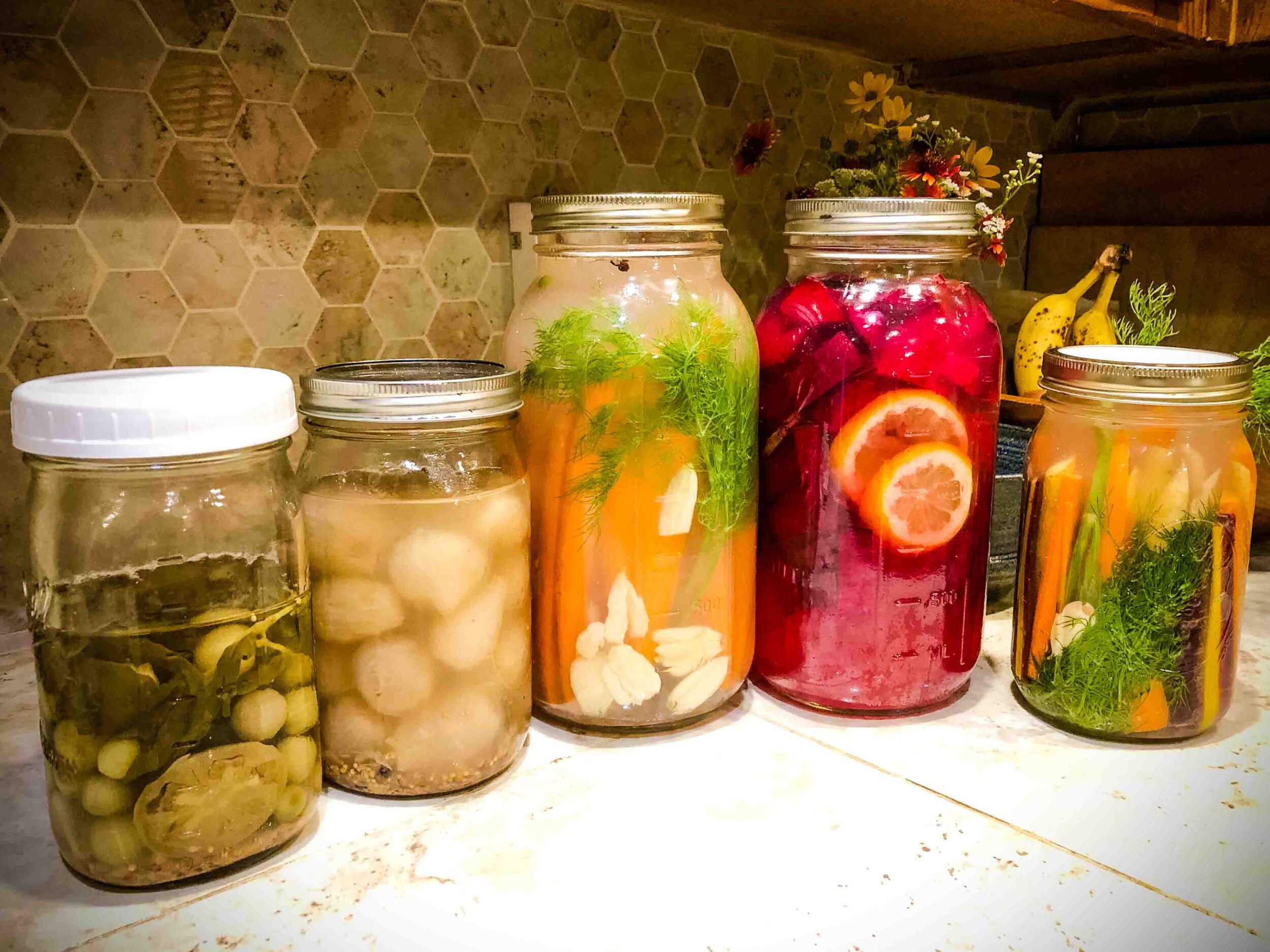
Fermented Foods and Probiotics in Practice: Fermented foods deliver living cultures alongside tasty, tangy flavor. Think yogurt, kefir, sauerkraut, kimchi, miso, tempeh, and traditionally fermented pickles. These foods can complement dietary prebiotics, working together as synbiotics to encourage a balanced community. Start small—perhaps a spoonful of sauerkraut with meals or a half cup of kefir—then build as tolerated. Variety matters because different strains play different roles, so rotate your selections across the week. Choose options with live and active cultures noted on the package, and keep cold-stored ferments refrigerated to preserve beneficial microbes. While probiotic supplements can be useful in specific scenarios, foods offer a flavorful, budget-friendly foundation. Remember that no single strain is a cure-all; consistency and diversity drive results. If you have a complex medical condition or are immunocompromised, consult a healthcare professional before making major changes. Treat fermented foods like culinary seasonings: small, frequent additions that elevate both flavor and function.
Color, Variety, and Polyphenols from Whole Foods: A colorful plate naturally delivers polyphenols, the plant compounds that many gut microbes transform into helpful metabolites. Lean into berries, leafy greens, cruciferous vegetables, citrus, olives, extra-virgin olive oil, cocoa, coffee or tea, nuts, seeds, and vividly hued herbs and spices like turmeric, cinnamon, and oregano. These compounds appear to support microbial diversity and the gut lining while adding aroma and depth to meals. Build plates around plants, then layer in quality proteins and healthy fats for satisfaction and blood sugar steadiness. Favor minimally processed foods and be mindful with items high in refined sugars, emulsifiers, or artificial additives that can disrupt balance for some people. Simple prep methods—roasting vegetables, simmering soups, and tossing big salads—make variety easy. Keep frozen produce on hand to reduce waste and maintain a constant pipeline of fiber and polyphenols. Over time, this plant-forward approach feeds microbes, palate, and long-term habits.
Lifestyle Levers: Stress, Sleep, and Movement: Your gut listens closely to your routines. Chronic stress can disrupt digestion and microbial balance, while regular downshifting helps the body enter a rest-and-digest state. Try brief breathing breaks, walks between tasks, journaling, stretching, or a mindfulness practice you actually enjoy. Prioritize sleep by setting a consistent schedule, dimming screens before bed, cooling your room, and creating a simple wind-down ritual. Movement supports gut motility and mood; blend everyday walking with strength or mobility work, and consider gentle activity after meals to aid digestion. Honor your body's signals—intense workouts immediately after large meals may feel uncomfortable for some. Social connection and time in nature can also calm the nervous system and indirectly benefit the microbiome. Think of these levers as nonfood nutrients; when combined with fiber-rich eating, they create a powerful, compounding effect that steadies energy, supports regularity, and keeps your inner ecosystem resilient.
Hydration and Digestive Habits That Support Balance: Simple habits amplify results. Consistent hydration helps fiber do its job, supporting regularity and comfortable digestion. Sip water throughout the day, and include hydrating foods like cucumbers, citrus, and leafy greens. Chew thoroughly to signal digestion from the top down, and try eating without constant distractions to notice hunger, fullness, and pace. Bitters such as arugula, radicchio, dandelion greens, and foods like ginger can encourage digestive secretions for some. If carbonated or very sweet drinks trigger discomfort, moderate them. Limit excessive alcohol, and be mindful with certain artificial sweeteners that may unsettle digestion in sensitive individuals. Posture matters—sitting upright during and after meals can ease reflux-prone moments. If bloating appears, consider meal timing, portion sizes, and the speed of fiber increases before assuming foods are off-limits. Gentle tweaks, tracked over days, often reveal patterns. These small, repeatable practices create the conditions for a calm, consistent gut rhythm.
Make It Stick: Simple Routines and Personalization: Sustainable change is built on systems. Stock your kitchen with fiber-forward staples—beans, oats, greens, frozen vegetables, nuts, seeds, and herbs—so healthy defaults are always within reach. Batch-cook a pot of grains or legumes, chop vegetables ahead, and keep quick protein options ready. Build a flexible meal template, then rotate plants, textures, and flavors to keep diversity high and boredom low. For snacks, pair produce with protein or healthy fats: an apple with nut butter, yogurt with flax and berries, or carrots with hummus. Traveling? Pack portable options like roasted chickpeas, trail mix, or whole-grain crackers. Track what feels good—energy, digestion comfort, mood, and regularity—not just numbers. If persistent symptoms arise, collaborate with a qualified professional for targeted guidance. Above all, make it enjoyable: cook with friends, explore spices, and celebrate small wins. Consistency, curiosity, and kindness to yourself are the secret ingredients that help your microbiome flourish.