Heart-Healthy Eating Made Easy: Tasty Swaps for Every Meal
Discover simple, delicious swaps for breakfast, lunch, dinner, and snacks that lower sodium, saturated fat, and sugar—boosting heart health every day.
Smart Starts: Breakfast Upgrades: A heart-smart morning begins with whole grains, fiber, and healthy fats that keep cholesterol in check and energy steady. Swap sugary cereal for oatmeal topped with berries, chia, and a spoon of nut butter to deliver soluble fiber and omega-3s from plants. Choose whole-grain toast over white, layering on avocado or hummus instead of butter for unsaturated fats that support healthy arteries. Prefer plain yogurt or fortified plant milk and add your own fruit to curb added sugar. If you enjoy eggs, pair one whole egg with extra egg whites and plenty of vegetables, or try a tofu scramble with turmeric and peppers. Keep sodium in check by skipping packaged pastries and breakfast meats, and use cinnamon or vanilla for natural sweetness. Batch-cook oats or egg muffins on weekends, so smart choices are easy on busy mornings. With a few thoughtful swaps, breakfast becomes both satisfying and unmistakably heart-healthy.
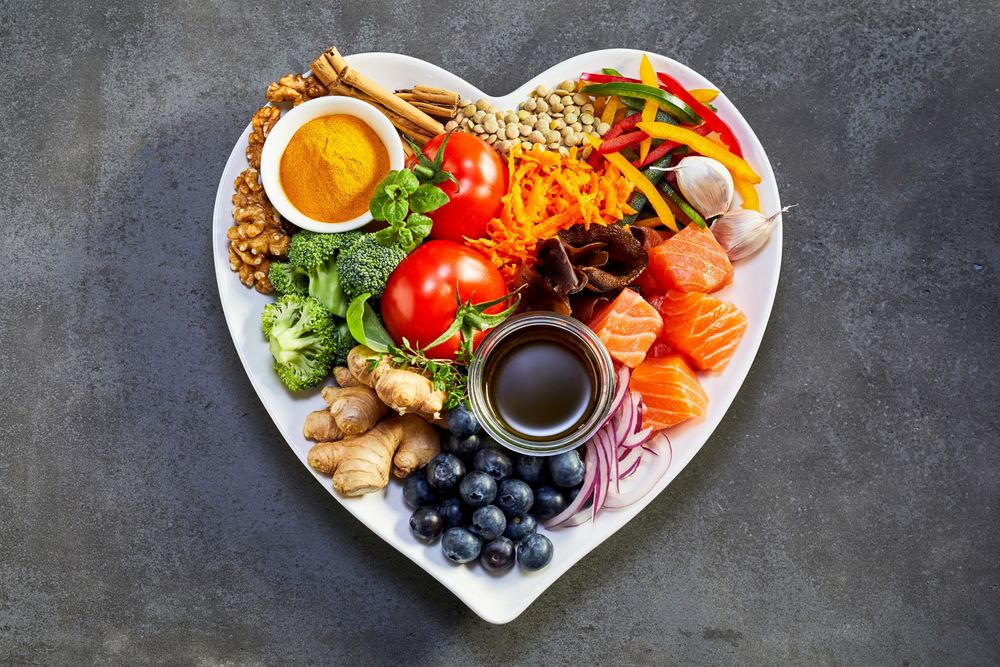
Lunchtime Swaps That Satisfy: Midday meals can be light yet fulfilling when you lean into lean protein, colorful produce, and whole grains. Trade refined wraps for a whole-grain pita stuffed with greens, tomatoes, cucumbers, and grilled chicken, salmon, or tofu. Build salads that go beyond lettuce by adding beans, roasted vegetables, and a sprinkle of nuts or seeds for crunch and unsaturated fats. Dress with olive oil and lemon or balsamic instead of creamy, high-saturated-fat options. For sandwiches, swap mayo for mashed avocado or hummus, and pick whole-grain bread. Choose broth-based soups rich in vegetables and legumes instead of heavy, salty cream versions. Sides matter: replace chips with crisp carrots, snap peas, or a piece of fruit. If you meal-prep, rotate grains like quinoa, farro, or brown rice to keep flavors fresh. These small choices protect your heart by boosting fiber, moderating sodium, and stabilizing appetite.
Dinner Made Heart-Smart: Evening plates shine when half the space goes to non-starchy vegetables, a quarter to whole grains, and a quarter to lean protein. Choose baking, grilling, or steaming over frying, and cook with olive or canola oil for monounsaturated and polyunsaturated fats. Feature legumes, lentils, or fish for protein, rotate grains like barley or brown rice, and pile on broccoli, peppers, and leafy greens for potassium and antioxidants. Build sauces from tomatoes, garlic, and herbs to cut back on sodium without losing flavor; finish with citrus zest or vinegar for brightness. Swap creamy toppings for yogurt-based dollops or pesto made with walnuts. Keep processed meats off the rotation, and use spice blends instead of salt shakers. Batch-roast sheet pans of vegetables and proteins for effortless meals during the week. With simple techniques and bold seasonings, dinner becomes comforting, convenient, and deeply cardio-protective.
Snacks and Sweets with Benefits: Smart snacking smooths energy dips and curbs cravings while supporting heart health. Reach for a small handful of nuts or seeds to deliver healthy fats, magnesium, and satisfying crunch. Pair fruit with peanut butter or Greek yogurt to balance fiber and protein. Try air-popped popcorn sprinkled with nutritional yeast or smoked paprika instead of salty chips. For a sweet bite, enjoy a square of dark chocolate, cinnamon-dusted baked apples, or a homemade oat cookie sweetened with mashed banana to minimize added sugar. Build snacks using the trio of fiber, protein, and unsaturated fats to stay full longer and avoid blood sugar spikes. Hydrate with water or unsweetened herbal tea instead of sugary drinks, which can raise triglycerides. Keep ready-to-eat options like veggie sticks and hummus visible in the fridge. Thoughtful nibbles make it easy to satisfy your palate while nurturing your cardiovascular system.
Dining Out and On-the-Go: Eating beyond your kitchen can still be heart-healthy with a few proactive moves. Scan menus for words like grilled, baked, roasted, and steamed, and be cautious with fried or heavily sauced items that boost sodium and saturated fat. Ask for dressings on the side and choose olive-oil vinaigrettes. Swap fries for a side salad, vegetables, or fruit, and request whole-grain bread or brown rice when available. Customize: hold extra cheese, add extra vegetables, and portion half to take home if servings are large. At quick stops, pick plain yogurt, nuts, fresh fruit, or a hummus-and-veggie box instead of pastries. For coffee, go unsweetened or lightly sweeten, and skip whipped toppings. Keep a travel kit with trail mix, whole-grain crackers, and tuna or bean pouches for emergencies. These strategies preserve flavor and flexibility while keeping your daily sodium, added sugar, and unhealthy fats in check.
Build a Heart-Smart Kitchen Routine: Lasting change grows from habits that make healthy choices the default. Stock a pantry with oats, beans, lentils, canned tomatoes with no added salt, whole grains, and a rainbow of spices to replace excess sodium. Keep olive oil, vinegar, citrus, garlic, and herbs on hand for bright, low-salt flavor. Plan simple meals, shop with a list, and batch-prep vegetables and proteins so weeknights stay easy. Read labels, checking saturated fat, added sugar, and sodium per serving, and compare similar products to pick the best option. Set small, specific goals like adding a vegetable at every meal or cooking at home one extra night. Pair nutrition with supportive routines: drink water, take short movement breaks, and practice mindful eating to notice hunger and fullness cues. Celebrate progress, learn from slipups, and keep experimenting with spices and textures. With steady practice, heart-friendly eating becomes automatic, enjoyable, and truly sustainable.