Hydration Heroes: Keeping Skin Soft and Supple
Meet the ingredients, routines, and lifestyle tweaks that lock in moisture, fortify your barrier, and keep every skin type soft and supple.
The Science of Softness
Skin softness begins with a resilient moisture barrier that knows how to hold onto water. The outer layer, often called the bricks and mortar of skin, relies on natural moisturizing factors, ceramides, cholesterol, and fatty acids to lock in hydration. When this matrix is intact, transepidermal water loss stays low and skin feels springy, luminous, and comfortable. Hydration is about water content, while moisture often refers to lipids that keep that water from escaping. Both are essential teammates. Well hydrated skin scatters light more evenly, appears smoother, and feels cushiony to the touch. Environmental shifts, over cleansing, and aggressive actives can chip away at the barrier, leaving skin tight or papery. The antidote is a routine that replenishes what is missing and supports what is working. Think of your regimen as a daily dialogue with your skin, where thoughtful steps and barrier friendly ingredients keep it soft, supple, and resilient.
The Hydration Trifecta
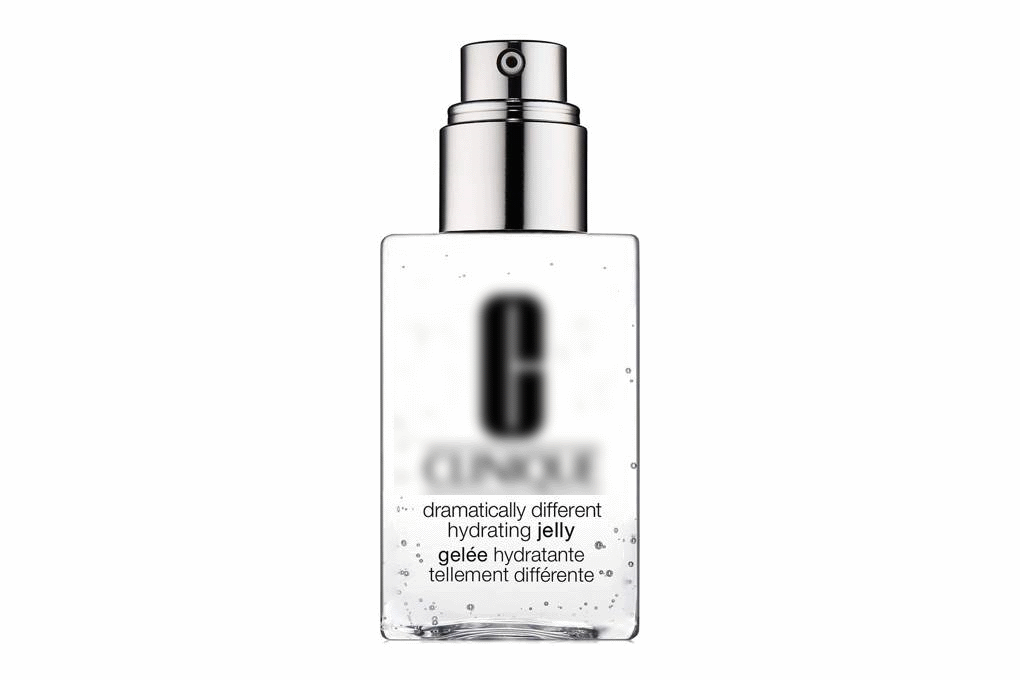
Meet the trio that turns thirsty skin into a dewy canvas: humectants, emollients, and occlusives. Humectants like hyaluronic acid, glycerin, aloe, panthenol, and urea attract water into the upper layers, instantly boosting plumpness. Emollients such as squalane, fatty alcohols, esters, and butters smooth rough edges, filling micro cracks so skin feels satiny. Occlusives like petrolatum alternatives, lanolin, beeswax, and dimethicone seal the deal by slowing evaporation. The magic lies in pairing them wisely. Oily but dehydrated skin may love light humectants with silky emollients, while dry or mature skin often thrives with richer creams that include occlusive finishes at night. Apply humectants to slightly damp skin to maximize their pull, then follow with emollients and, if needed, an occlusive topcoat. Patch test new formulas and respect your skin's feedback. This simple framework supports long term comfort, making hydration more strategic than splashy.
Cleansing Without Compromise
A soft complexion starts at the sink. Harsh surfactants and steamy water may feel squeaky clean, but they can strip away protective lipids and spike transepidermal water loss. Choose pH balanced, gentle cleansers that rinse without tightness, and keep the water lukewarm to preserve suppleness. If you wear sunscreen or makeup, a thoughtful double cleanse in the evening can help, while a single, mild cleanse often suffices in the morning. Pat, do not rub, and move quickly to your first hydrating step while skin is still slightly damp. Support the barrier with ceramides, cholesterol, and fatty acids that mimic skin's natural composition. Exfoliation should refine, not punish. Opt for measured use of AHAs or BHAs when needed, and buffer strong actives with a nourishing moisturizer. Over exfoliation shows up as shine without softness, patchy texture, and sensitivity. Gentle cleansing protects the foundation of hydration, ensuring every subsequent step can do its best work.
Smart Layering For Lasting Dew
Hydration loves strategy. Build your routine from thinnest to thickest textures so each layer can do its job. Begin with a hydrating toner or essence to drench the surface, then follow with a humectant rich serum for deeper quenching. Seal that water with a barrier focused moisturizer that blends emollients and ceramides. If your skin needs more overnight, finish with a light occlusive or a few drops of oil to curb evaporation. Around delicate areas, choose targeted formulas for the eyes and a balm for lips. For the body, smooth lotion or cream onto slightly damp skin after bathing to trap that steamy moisture. Consider the occasional mask or rich treatment when air feels especially dry. Keep a facial mist on hand to refresh between steps, then re lock with cream. This mindful sequence turns basic products into hydration heroes, creating a cushiony, bouncy finish that lasts.
Lifestyle Hydration From The Inside Out
Topicals shine brightest when lifestyle supports them. Aim for steady fluid intake throughout the day, and pair it with electrolytes from whole foods to help water actually reach cells. Fill your plate with essential fatty acids from seeds, nuts, and oily fish alternatives to fortify the lipid matrix that prevents water loss. Colorful produce provides antioxidants like vitamin C, E, and polyphenols that help defend against environmental stressors that can chip at the barrier. Quality sleep allows repair processes to hum, while manageable stress levels keep cortisol swings from unsettling skin. Gentle movement increases circulation, bringing nutrients to the surface. Consider a humidifier during dry spells, and moderate dehydrators such as alcohol. Skin mirrors rhythm and consistency, so build small rituals you can keep. When inner and outer care align, hydration becomes a lifestyle, not just a lotion, and your glow looks naturally earned.
Adapting To Shifting Environments
Weather and surroundings influence how skin holds water, so tune your toolkit with the seasons. In cold, dry air, reach for creamier textures, occlusive finishing touches, and richer emollients to reinforce the barrier. In heat and humidity, swap to breathable gels and light lotions while keeping humectants steady for comfortable plumpness. Indoor heating and air conditioning can be surprisingly dehydrating; a humidifier, shorter showers, and immediate post cleanse moisturization help offset the draw. Travel, altitude changes, and long workdays in recycled air can leave skin feeling parched. Pack a compact routine built on a hydrating essence, a dependable moisturizer with ceramides, and a soft occlusive for nights. Daily sunscreen remains essential to protect collagen and barrier integrity, indirectly supporting hydration over time. With small adjustments and attentive observation, you can keep skin supple no matter the forecast, letting texture and comfort guide your choices.
Dehydration Versus Dryness
Understanding what your skin lacks makes solutions simple. Dehydration means a shortage of water; skin may look dull, feel tight, or show fine crepe lines, even if oil is present. Dryness means a shortage of lipids; skin often feels rough, flaky, or easily irritated. Oily yet dehydrated complexions exist, producing sebum while still needing water binding humectants. True dryness benefits from plush emollients and well chosen occlusives to rebuild the lipid seal. Start by simplifying: remove stripping toners, reduce over washing, and buffer potent actives like retinoids with a nourishing moisturizer. Add a hyaluronic acid or glycerin serum for water, then layer a ceramide cream for structure. If shine appears without comfort, lighten occlusives and increase breathable textures. Track how skin responds over a few weeks; softness, elasticity, and even tone signal progress. When you address the right deficiency, skin regains that pillowy, supple feel.
Consistency Creates Supple Skin
Hydration thrives on habits. Craft a morning and evening ritual you can keep, built around gentle cleansing, humectant saturation, and barrier restoring moisture. Apply products to damp skin, massage patiently, and give each layer a moment to settle. Protect during the day, replenish at night, and reserve richer finishes for evenings when air feels dry. Extend care to the body, hands, and feet with creamy formulas and targeted balms; slip on cotton socks or gloves after heavier layers for an overnight boost. Patch test new additions on a small area and add changes gradually so you truly see what helps. Keep a simple core, rotate in seasonal extras, and respect rest days when skin feels overworked. With steady attention and small, supportive choices, your routine becomes a reliable team of hydration heroes that keep skin soft, supple, and glowingly comfortable through every chapter of your life.