Indoor Plant Care Made Simple: Greenery That Thrives
Master light, water, soil, and simple routines to keep houseplants healthy. Clear tips, easy fixes, and low-maintenance picks that thrive.
Start With Smart Plant Choices: Successful indoor gardening begins with thoughtful selection. Match your space to plants that thrive in your conditions, especially the quality of light. Observe how brightness shifts through the day: bright, indirect light near sheer-curtained windows suits many foliage stars, while true low-light corners call for resilient options that handle shade. Notice how far light travels from the window; a few steps can mean a big difference. Consider your lifestyle too. If you travel or forget schedules, look for forgiving, drought-tolerant varieties. If you love routine, choose plants that appreciate regular care. Think about available space, growth habit, and mature size so your greenery does not overwhelm shelves or pathways. Group plants with similar needs to simplify maintenance. When in doubt, start small with a handful of easy keepers, learn their cues, and expand gradually. The right plant in the right spot is the simplest path to greenery that thrives with minimal stress.
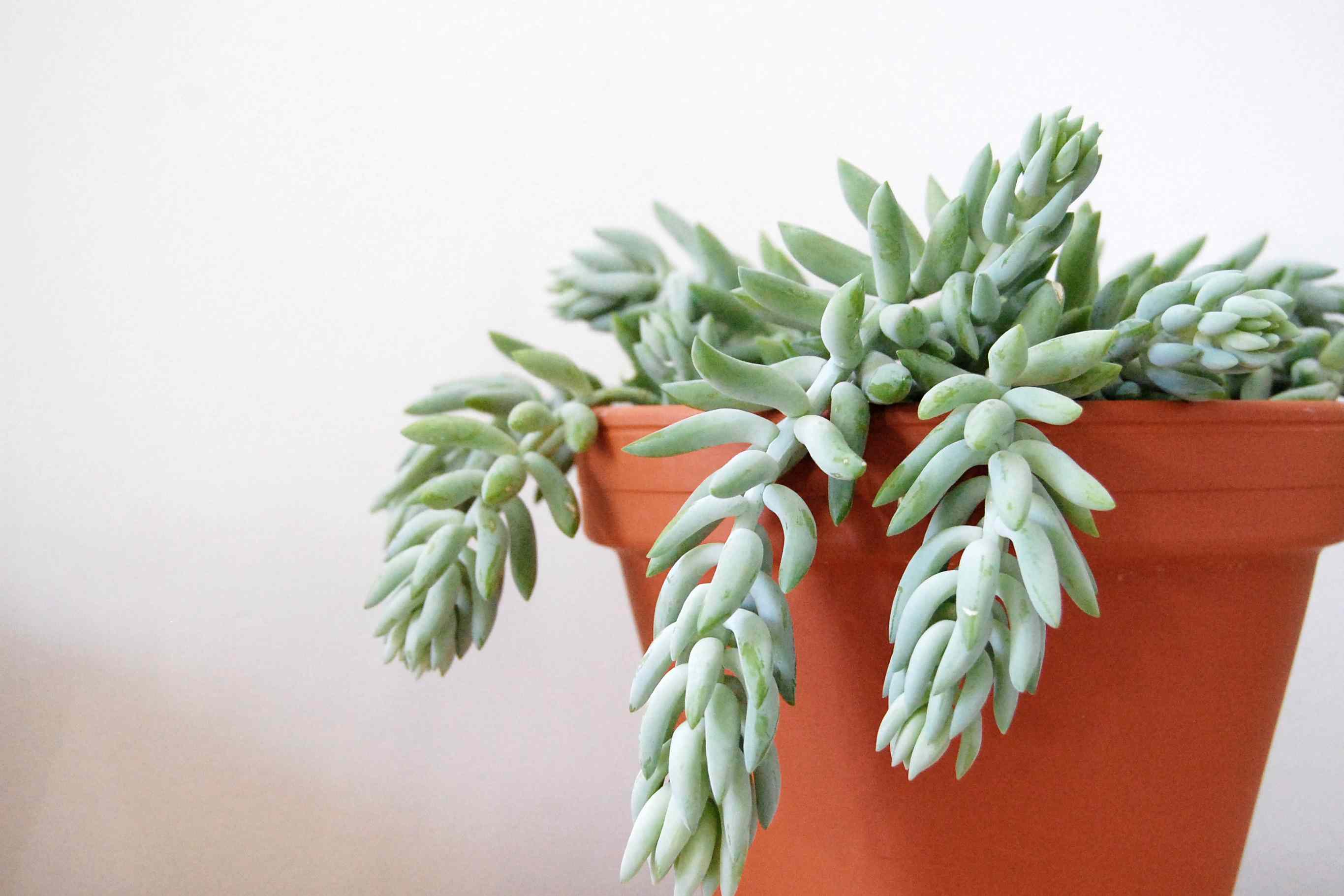
Master Watering Without Guesswork: Overwatering is the most common cause of indoor plant stress, yet underwatering also sneaks up. Replace rigid schedules with observation. Use the finger test or a moisture meter to gauge when the top inch or two feels dry, then water thoroughly until excess drains from drainage holes. Empty saucers so roots do not sit in standing water. Learn the weight of your pot when dry versus well hydrated; this is a reliable guide. Signs of overwatering include yellowing leaves, soggy soil, and a musty smell; underwatering shows as wilting and crisp edges. Choose pots with proper drainage and a well-aerated mix to prevent waterlogged roots. For consistency, water in the sink or shower, letting the stream mimic a gentle rain. Consider self-watering planters for thirsty species or busy schedules. Adjust frequency with seasons of faster or slower growth, and remember: consistent, deep watering beats frequent light sips for most houseplants.
Create a Healthy Microclimate: Indoors, plants depend on you to balance humidity, temperature, and airflow. Many tropicals prefer moderate to high humidity; you can cluster pots together to create a shared moisture zone, set containers on a pebble tray with water below the pot base, or place humidity lovers in kitchens and baths where steam is common. Keep temperatures steady and avoid cold drafts or blasts from heaters and air conditioners. Gentle air circulation helps deter mold and pests, so crack a window when weather allows or run a small fan on low, avoiding direct gusts. Dust blocks light and clogs pores, so wipe leaves with a damp cloth to restore their shine and photosynthetic power. Observe how the sun travels and rotate plants every couple of weeks for even growth. If a plant stretches or leans, it is asking for brighter placement. Small environmental tweaks add up, creating the stable, comfortable microclimate that turns routine care into effortless success.
Soil, Pots, and Repotting Essentials: Great roots make great plants. Start with a quality potting mix tailored to your plant type, not heavy garden soil. Improve drainage and oxygen by blending in perlite, pumice, or orchid bark for chunkiness, or choose a grittier mix for succulents and cacti. Pick containers with drainage holes; materials matter too. Terracotta breathes and helps prevent overwatering, while glazed ceramic and plastic retain moisture longer, helpful in drier homes. Size up only one or two inches wider when repotting to avoid soggy soil pockets. Repot when roots circle the pot, water rushes straight through, or growth slows despite good care. To repot, water lightly the day before, loosen the root ball, trim dead or mushy roots, refresh the mix, and set the crown at the same level. Water thoroughly to settle the medium. A thoughtful pot-and-soil pairing reduces problems, supports nutrient uptake, and sets the stage for steady, resilient growth.
Feed, Prune, and Train for Strong Growth: Once plants are established, a light hand with fertilizer keeps momentum. Use a balanced, diluted feed during periods of active growth, and ease off when growth naturally slows. More is not better; excess salts can burn roots, so flush soil occasionally with clear water. Prune to remove tired leaves, encourage branching, and maintain shape. Sharp, clean tools prevent disease and make tidy cuts. Rotate pots regularly for even exposure and sturdier stems. Provide support structures like stakes, hoops, or trellises for vining and top-heavy plants, guiding stems gently as they lengthen. Refresh leggy specimens by propagating cuttings or dividing clumps, then potting up new starts to fill planters or share with friends. A little grooming goes a long way: deadheading spent blooms, pinching new tips for fullness, and cleaning leaf surfaces all enhance health and appearance. Think of this as light, ongoing training that produces compact, vigorous plants.
Simple Troubleshooting and a Routine That Sticks: Keep care simple by building a calm routine. Set a weekly check-in to test moisture, inspect leaves, and tidy up. Catch pests early by looking under foliage and along stems. Common culprits include spider mites, mealybugs, and fungus gnats. Quarantine new arrivals, and treat issues promptly with gentle options like insecticidal soap, neem-based products, or alcohol swabs for spot removal. Yellowing can signal overwatering or low light; brown tips may hint at dry air, salt buildup, or inconsistent watering. Improve water quality if you notice leaf spots or mineral crust, and occasionally flush the pot to rinse excess salts. Keep tools clean, wipe spills, and track observations in a simple note or app. Most importantly, adjust with curiosity rather than worry. Plants communicate clearly when we slow down and look. With a steady rhythm and small course corrections, your indoor oasis will thrive year-round.