Layering Like a Pro: Build Depth, Warmth, and Interest
Master the art of layering to add depth, warmth, and personality to every outfit with smart fabrics, balanced proportions, and versatile textures.
Start with Smart Foundations
Begin with a base layer that hugs the body and sets the tone for everything above it. Think smooth tees, light knits, or breathable shirts that minimize bulk and create a clean canvas. Add a mid layer for shape and light insulation—a cardigan, overshirt, or thin sweater that introduces structure without stiffness. Top it with an outer layer that defends against weather and adds visual authority, like a tailored coat, relaxed jacket, or sleek blazer. Prioritize fit at every stage; when each layer skims rather than squeezes, the stack looks intentional, not crowded. Keep seams and collars aligned to avoid lumpy intersections, and choose fabrics that glide over each other so dressing and movement feel effortless. Use a neutral palette for the foundation—charcoal, navy, camel, or black—then build interest with a single accent. This approach anchors your outfit, trims visual noise, and makes mixing and matching more intuitive day after day.
Master Proportions and Lengths
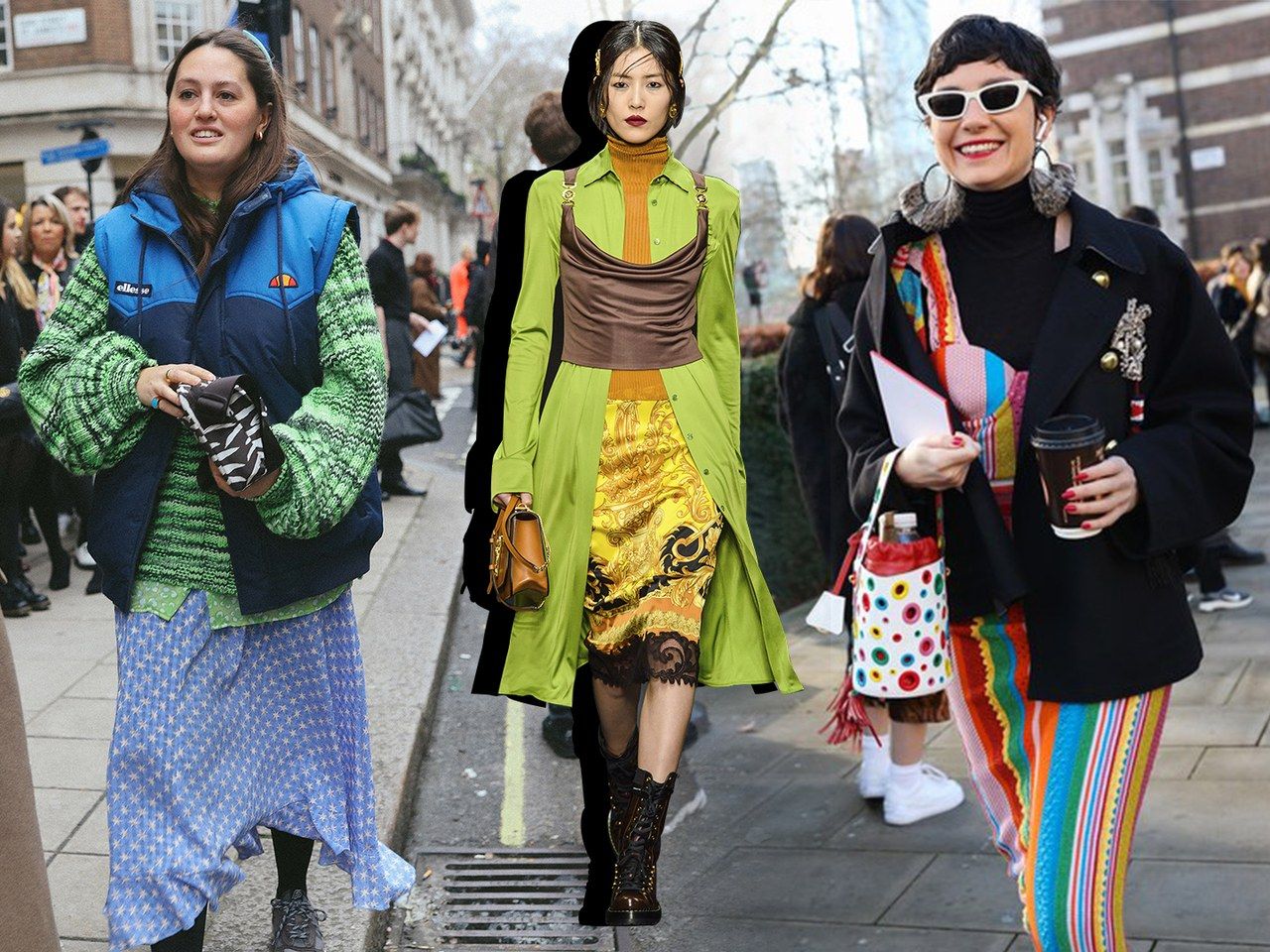
Great layering hinges on proportion. Aim for a pleasing balance of lengths and volumes so pieces read as one harmonious look. Use the thirds rule to break the body into visually flattering sections: cropped over long, long over slim, or mid-length over tailored. When one element carries volume—like a relaxed coat—counter with a neater layer beneath, such as a fitted knit or streamlined trouser. Play with hemlines that peek just enough to frame the piece above them; a shirt tail showing beneath a sweater adds depth without clutter. Cuffs and collars should be purposeful: show a shirt cuff under a blazer or fold a knit collar over a jacket to create subtle outline. Mind scale with accessories—compact bags with bulkier coats, more substantial scarves with minimalist shells. By keeping contrast focused and spacing intentional, you create a silhouette that feels dynamic, comfortable, and distinctly put-together.
Mix Textures with Intention
Texture is your shortcut to depth. Combine matte and sheen, rough and smooth to create a tactile conversation that reads instantly elevated. Pair a ribbed knit with crisp poplin, or soft fleece under a structured wool coat. Contrast the natural grain of leather with the richness of suede, the crisp snap of denim with the fluid drape of silk-like blends. Use quilting, bouclé, or corduroy in moderation to avoid overwhelming the eye; one hero texture can anchor a look while subtler surfaces support it. Keep at least one low-luster piece close to the face to prevent glare and ensure your features stay the focus. Consider touch as much as sight—layers should slide comfortably, resist static, and breathe. When in doubt, anchor with smooth fabrics, then add one pronounced texture and a secondary accent. This tiered approach ensures complexity without chaos, resulting in a rich, cohesive finish every time.
Color and Pattern Strategy
Color can clarify your layers or crowd them. Start with tonal or monochrome foundations for instant cohesion, then inject contrast with one carefully placed hue. Deep neutrals ground brights; soft pastels calm saturated shades. Use adjacent colors for a subtle, elongated effect, or select complementary accents to energize a minimal base. Introduce pattern as a layer rather than a focal takeover: a striped tee under a solid knit, a micro-check shirt beneath a plain blazer, or a muted print scarf to bridge tones. Mind pattern scale—small motifs close to the body, larger patterns farther out—to prevent visual jostling. Repeat a color at least twice, even in tiny doses, to knit the palette together: a belt echoing a stripe, socks matching a scarf edge. When your color story feels deliberate, the silhouette reads clearer, textures shine brighter, and every piece looks like it belongs.
Function, Climate, and Comfort
Pro-layering marries style with performance. Choose a breathable base that wicks moisture so you stay dry under pressure and in transit. Add light insulation that traps warmth without bulk—think fine merino, airy fleece, or performance-blend mid layers. Top with a weather-smart shell tuned to your conditions: windproof on blustery days, water-resistant for sudden showers. Make it modular so you can peel or add pieces as temperatures change. Pack a compressible layer in a tote for insurance, and prioritize easy closures—two-way zips and snaps offer micro-adjustments. Consider mobility: raglan sleeves, vented backs, and stretch panels support natural movement when you're layered up. Inside-out care matters too; smooth linings prevent snags and keep sweaters pristine. When each piece solves a practical need, you gain freedom to experiment with silhouette and color, confident that comfort, warmth, and ease won't be compromised.
Finishing Moves and Maintenance
Small decisions deliver big returns. Use belts to define shape through layers, or skip them for a sleeker column. Roll sleeves with intention—show a hint of cuff to add rhythm, or stack bracelets to echo metallic hardware. Tie a scarf to frame the face or drape it long to elongate the torso. Play with closures: wear coats open to reveal a gradient of color, or fasten only the middle button for an hourglass effect. Coordinate footwear and socks with your palette; a tonal shoe elongates, a contrasting sole adds punctuation. Keep fabrics in top form—de-pill knits, brush suede, and steam rather than over-iron to preserve hand and drape. Store by weight and season, placing heaviest pieces outward to protect delicate ones. Document combinations that worked so you can reproduce them quickly. With mindful finishing and steady upkeep, your layers look fresh, intentional, and endlessly adaptable.