Lighting That Lifts a Room: Layered Illumination Tips
Unlock a brighter, more inviting home with layered lighting. Learn how to blend ambient, task, and accent light for mood, function, and style.
Layered Light Basics
Good lighting is more than a single bright fixture; it is a layered lighting strategy that blends ambient, task, and accent illumination to shape mood and support function. Start by picturing how the room is used throughout the day: conversations, reading, cooking, unwinding. Then plan light in flexible zones so you can raise or lower brightness where it matters. Think of ambient light as your canvas, task light as your brush, and accent light as the highlights that add depth. Balance direct light with indirect bounce off ceilings and walls to soften shadows and minimize glare. Place fixtures so they illuminate vertical surfaces, not just horizontal planes, because bright walls make a space feel larger and more welcoming. Layering also means mixing sources: ceiling mounts, floor lamps, sconces, and integrated strips can all cooperate. With separate controls and dimmers, you can shift from energetic to relaxing with a simple adjustment, letting the room feel tailored at every moment. Think of lighting as a flexible toolkit that adapts as your routines evolve.
Ambient Foundation
Ambient lighting sets the baseline for comfort, guiding eyes and helping colors read true. Create a soft, even wash with ceiling fixtures that spread light widely and avoid harsh hotspots. Recessed lights can deliver broad coverage when spaced to overlap beams, while a well-sized pendant or semi-flush fixture provides glow plus style. To avoid glare, choose diffusers or shades that soften output and direct excess brightness upward, letting light bounce for a calmer effect. Pale ceilings and lightly colored walls increase reflectance, so your ambient layer works harder with less power. Floor lamps with uplight shades are great where wiring is limited, filling corners that otherwise feel heavy. Use dimmers to tune intensity for conversation, TV time, or cleaning. If the room is large, consider multiple sources on the same plane instead of one overpowering center light. The goal is a luminous envelope that welcomes you in, supports every activity, and flatters finishes and furnishings. When the base layer feels gentle and continuous, every other light has room to shine without competing.
Task Lighting That Works
Task lighting targets surfaces where precision matters, ensuring comfort and clarity without strain. In kitchens, under-cabinet lighting eliminates shadows on countertops by projecting light forward toward the edge, not the backsplash. Over islands or tables, pendants should hang so the bottom of the shade sits at eye-friendly height, shielding glare while pooling light exactly where you need it. At desks, a swing-arm lamp with a focused beam lets you aim light across the work surface from the opposite hand to reduce shadows. Bedside, choose lamps or slim wall sconces with directional heads so one person can read while another sleeps. For grooming or makeup, vertical lights flanking a mirror illuminate the face evenly. Keep color temperature consistent across task fixtures in the same room to maintain visual harmony, and favor high CRI so materials and skin tones appear accurate. Always pair tasks with an ambient base to prevent stark contrast that tires the eyes. The best task lights disappear into the routine, supporting focus while keeping the room calm and welcoming.
Accent and Decorative Drama
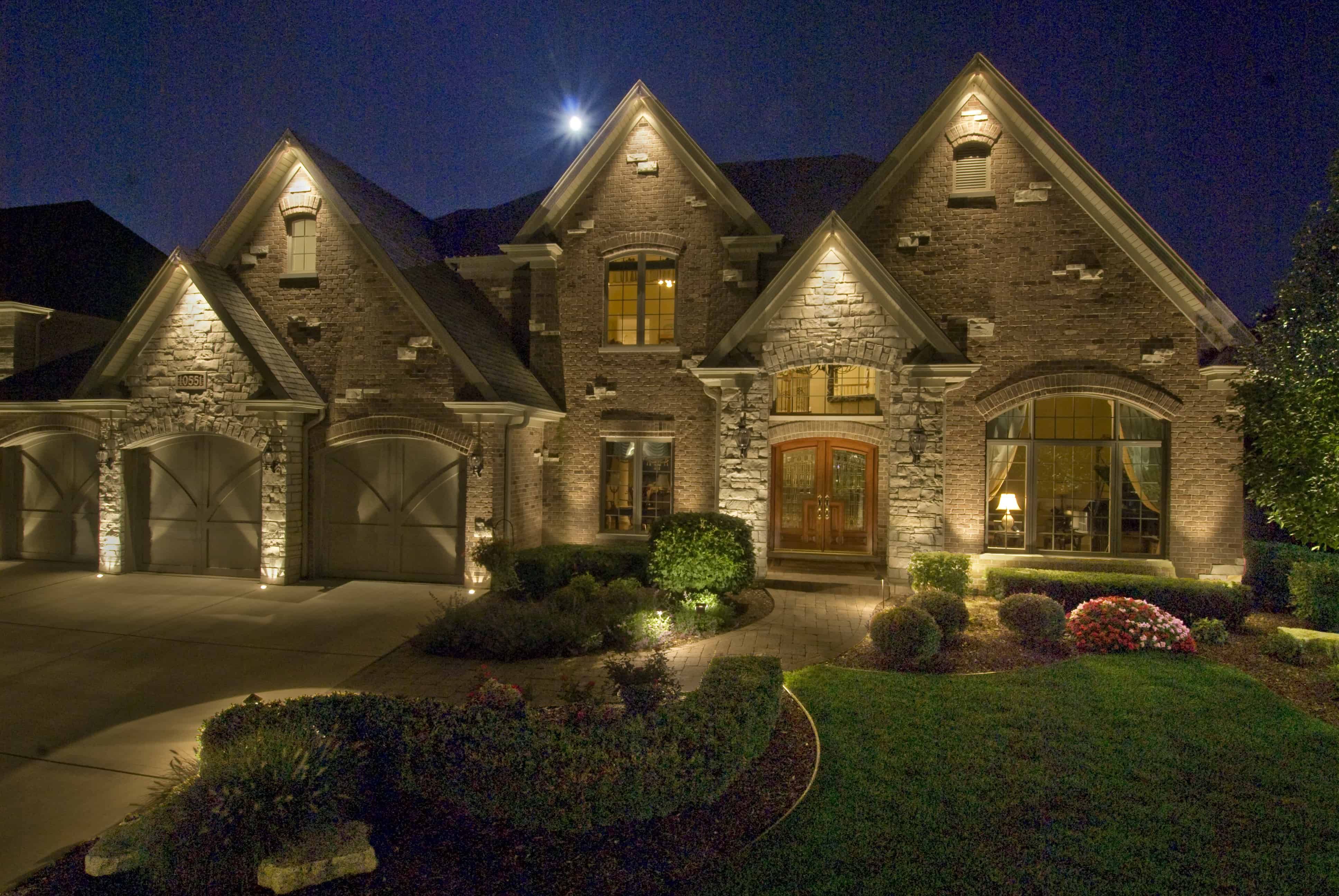
Accent lighting adds dimension, guiding attention to architecture, art, and texture. Try wall-washing to smooth brightness across a feature wall, or wall-grazing to dramatize stone, brick, or paneling with deliberate shadows. Aim adjustable spots at artwork so the beam just kisses the frame, avoiding hot centers and dark corners. On bookcases, tiny LED strips tucked under shelves create a floating effect and help you find titles without glare. A small uplight behind a plant or sculpture turns it into a silhouette at night, adding depth to the perimeter. Decorative fixtures matter, too: chandeliers, lanterns, and statement pendants contribute sparkle and become focal points even when dimmed. Balance them with quieter sources so style never overwhelms function. Keep accent circuits separately controllable from ambient and task layers, allowing you to craft scenes for entertaining, quiet evenings, or early mornings. The right highlights make rooms feel curated, not cluttered, and invite the eye to travel. With restraint and intention, accent light becomes the quiet storyteller of the room.
Controls, Color, and Layout
Great lighting depends on control and coordination. Group fixtures into logical zones—ambient, task, and accent—and connect each to dimmers or smart switches so you can create scenes on demand. Match color temperature across layers in a single space to preserve a cohesive look; warm light invites relaxation, while neutral tones keep kitchens, studies, and craft areas crisp. Prioritize high CRI for spaces with artwork, textiles, or detailed chores. Use daylight as a fourth layer: keep window treatments adjustable, place mirrors to bounce sun deeper into rooms, and avoid fighting natural light with overly cool artificial sources. When planning layout, sketch furniture first, then position lights to support conversation circles, reading spots, and traffic paths. Consider glare control with shaded lenses, shielding, or indirect bounce. Finally, think maintenance: choose accessible bulbs, wipe diffusers regularly, and favor efficient sources that stay cool. Small, mindful choices here turn illumination into a lasting, comfortable habit. When controls, color, and layout work together, everyday living feels smoother, brighter, and beautifully considered.