Low-Maintenance Garden Design: Beauty with Less Work
Design a stunning low-maintenance garden with smart plant choices, water-wise strategies, and simple structures that save time and energy.
Smart Planning for Effortless Beauty: Start by understanding your space so your low-maintenance garden works with nature instead of fighting it. Map sun, shade, wind, and microclimates, then cluster plants by similar needs to simplify care. Choose a simple layout with broad curves or clean lines that guide traffic flow and reduce awkward corners where weeds thrive. Minimize lawn or swap parts for lawn alternatives like ground covers, gravel courts, or mulched seating areas to cut mowing time. Keep beds wide enough to reach from one side, and add a mowing strip along edges to eliminate string trimming. Repeat a modest plant palette for harmony and easier upkeep, using layers that build height and texture without clutter. Plan for an evergreen backbone that looks good year-round, then accent with seasonal color in restrained groups. Make room for practical elements—tool storage, compost, and a potting spot—so chores are short and smooth. Thoughtful planning reduces decisions later and keeps the garden relaxing, not demanding.
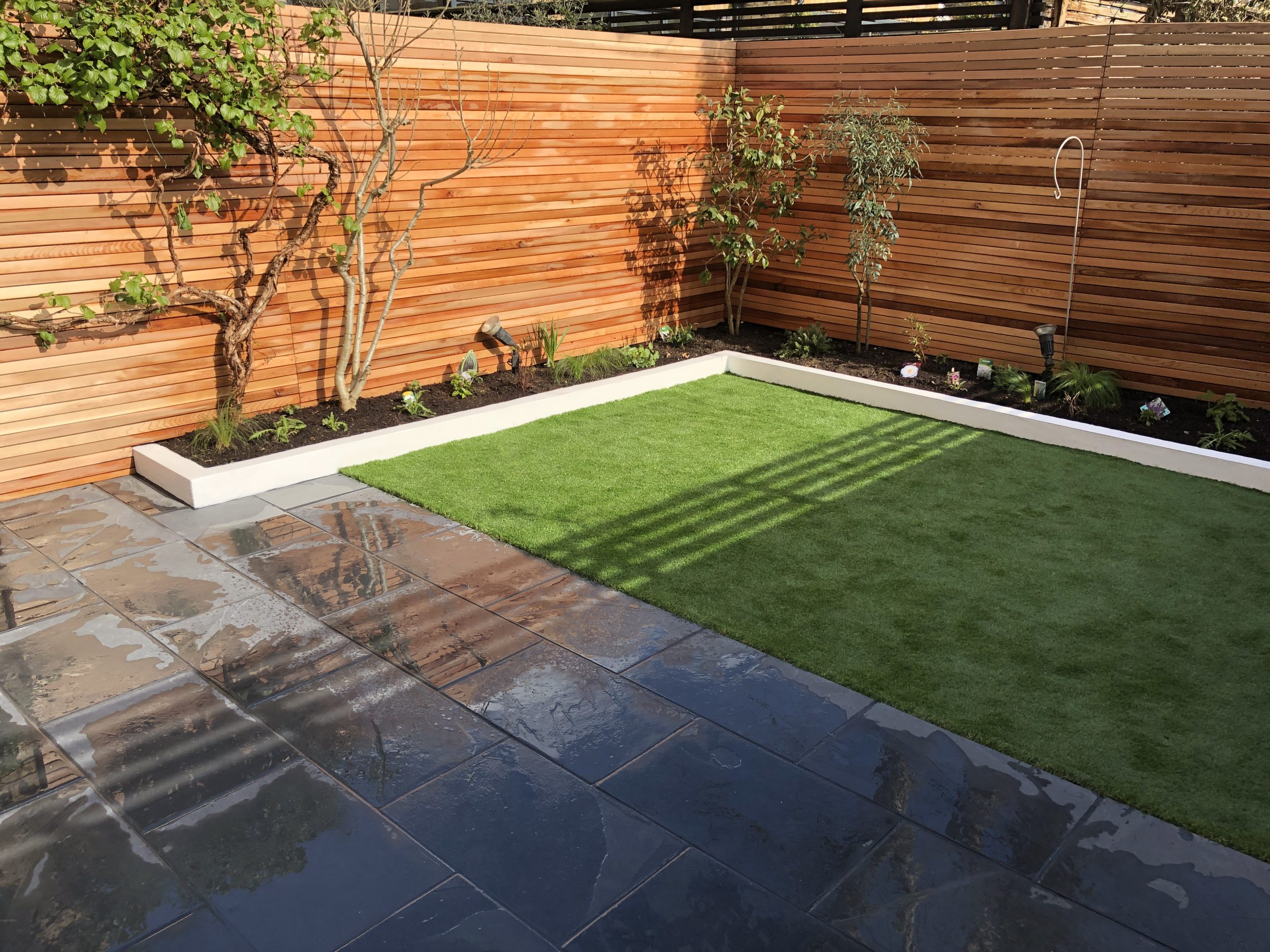
Soil, Mulch, and Watering Made Simple: Healthy soil does half the work for you. Before planting, enrich beds with compost to improve structure, moisture retention, and drainage, creating a foundation for low-input success. Top with a generous layer of mulch to suppress weeds, buffer temperature, and reduce evaporation; natural mulches like shredded bark or leaf mold are easy to refresh and feed the soil as they break down. Group plants by thirst level—known as hydrozoning—so efficient drip irrigation or soaker hoses can deliver water right to the roots with minimal waste. When possible, water deeply and less often to encourage resilient roots and fewer interventions. Consider simple timers to automate watering, and use a rain gauge or your finger in the soil to avoid overwatering. Keep edges clean with durable borders, which prevent creeping grass and simplify weeding. With good soil and consistent moisture management, plants grow sturdier, pests are less troublesome, and routine tasks stay pleasantly brief.
Plants That Thrive With Minimal Attention: Choose native and well-adapted plants that suit your climate, soil, and light—this is the core of right plant, right place. Favor drought-tolerant perennials, shrubs, and ground covers that outcompete weeds and require less frequent care. Build an evergreen backbone for structure, adding ornamental grasses, sedges, and long-blooming perennials for movement and color. Look for varieties with tidy habits that do not need constant dividing or staking, and skip fussy annuals that demand nonstop deadheading. Aim for four-season interest by mixing foliage textures, seed heads, bark, and blooms so there is always something appealing with minimal effort. In sunny spots, try tough salvias, coneflowers, yarrow, or lavender; in shade, consider hellebores, ferns, and hardy ground covers like pachysandra or epimedium. Where appropriate, lean on succulents or silver-leaved plants that shrug off heat. Plant in generous drifts to create visual calm, and space for mature size so pruning stays light and occasional.
Hardscapes and Features That Save Time: Durable surfaces shorten chores and add polish. Choose permeable pavers, decomposed granite, or gravel paths with firm edging to block weeds and make cleanup simple. Opt for long-lasting materials—composite decking, stone, metal, or powder-coated finishes—that resist rot and repainting. Define beds with steel or stone edging to keep lines crisp and reduce maintenance creep. Integrate raised beds where soil is poor, and select large, insulated containers that hold moisture longer and need less watering. Add automatic timers to drip zones for set-and-forget reliability, and consider simple rain collection to supplement irrigation. Keep features streamlined: a compact seating nook, one focal container, and a few well-placed lights create ambiance without clutter. Use mulched seating areas as beautiful lawn substitutes that never need mowing. Avoid excessive ornamentation that gathers debris, and design with repeated shapes and simple geometry so the garden looks intentional, tidy, and effortless through the seasons.
A Gentle Maintenance Rhythm You Can Keep: Create a seasonal checklist with small, satisfying tasks rather than marathon sessions. Prioritize once-and-done jobs—renew mulch, adjust drip lines, and tidy edges—so the garden stays neat with minimal effort. Practice selective pruning instead of constant shearing; remove crossing or dead branches and lightly shape after flowering. Deadhead strategically to prolong bloom only where it matters, and allow some seed heads for structure and wildlife. Feed soil, not plants, with compost or slow-release amendments that avoid growth spurts and extra pruning. Embrace integrated pest management by encouraging beneficial insects and birds, reducing the need for sprays. Batch chores—weed while you water, sharpen tools during a rain day, and clean containers before storage—to keep momentum gentle and sustainable. Set realistic thresholds for perfection, celebrating patina and natural texture. With a calm, repeatable routine, your garden offers beauty, habitat, and relaxation while asking for remarkably little in return.