Nail Care at Home: Clean, Strong, and Polished
Master a salon-worthy manicure at home with simple routines for cleaner nails, stronger tips, and a long-lasting, chip-resistant finish.
Fresh Start: Cleanliness First
A salon-quality manicure begins with pure hygiene. Remove old polish thoroughly, opting for a non-acetone remover if your nails feel dry or delicate. Wash hands with lukewarm water and a gentle, pH-balanced cleanser, using a soft brush to sweep under the free edge without scratching the nail bed. Pat completely dry; lingering moisture can swell the plate and weaken adhesion for future polish. Keep sanitized tools ready before you begin: clippers, a fine file, an orangewood stick, and a soft buffer. Wipe tools clean after each session so they are ready for next time, and store them in a breathable pouch to avoid humidity buildup. If you enjoy a quick soak, make it short and simple—think a few minutes to loosen debris rather than a long bath that can cause temporary expansion. The foundation of clean, dry, and well-prepped nails helps every following step perform better, from shaping to polishing, while also preserving overall nail health.
Shape with Intention
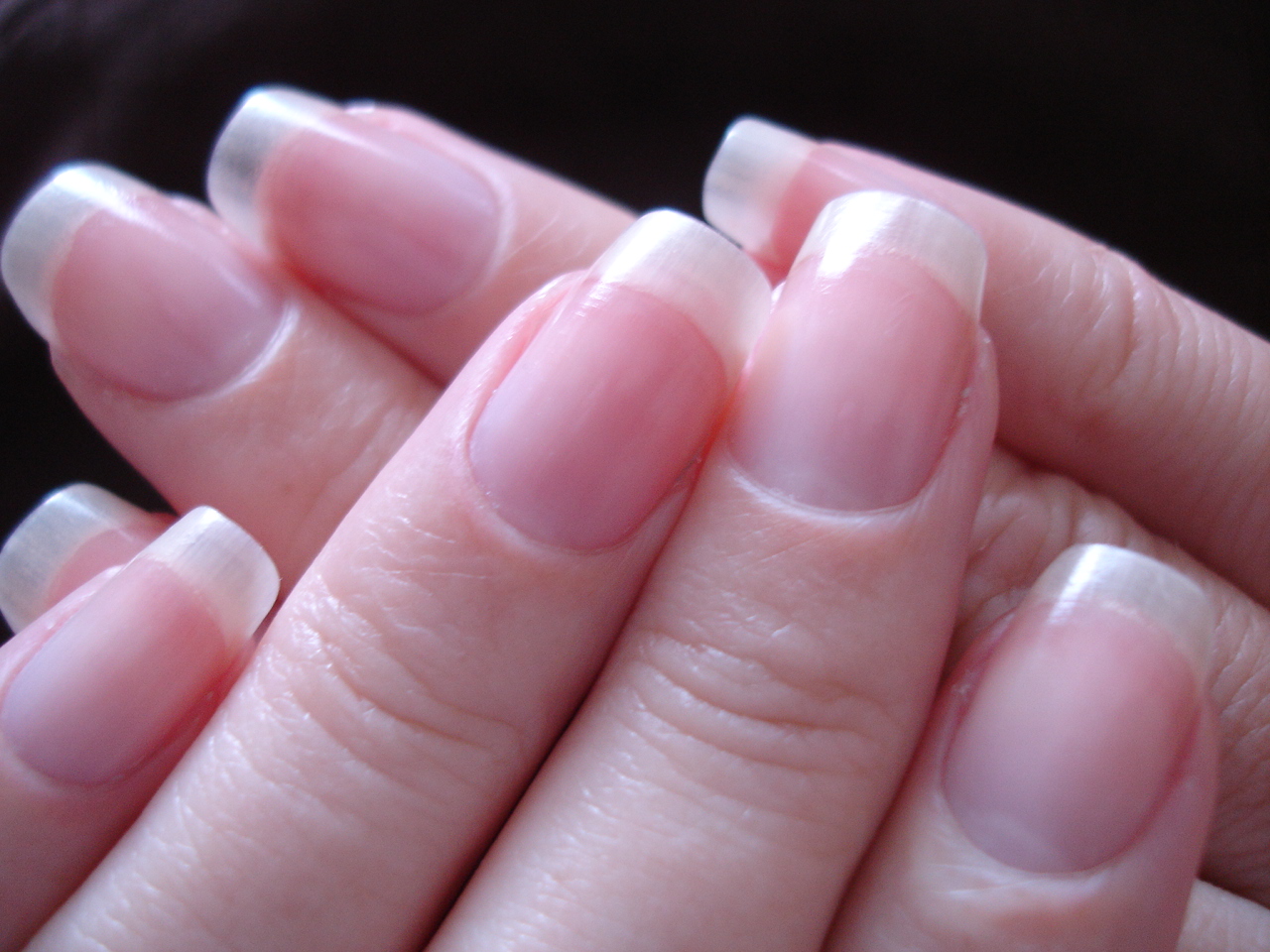
Thoughtful nail shape sets the tone for comfort and durability. Start by trimming conservatively with sharp clippers, then let a fine-grit file do most of the sculpting. File in one-direction strokes from the outer edge toward the center to reduce splitting. Choose a silhouette that mirrors your cuticle line—soft square, round, oval, or squoval—so the result flatters your hand and resists snags. Keep lengths practical for your lifestyle; nails that are slightly shorter but uniformly shaped tend to chip less. Focus on sealed edges by finishing with light, even passes that remove any feathering. If you have surface texture, a quick, gentle buffing can smooth ridges, but keep it minimal to protect thickness. Wipe away dust between steps so you can assess symmetry clearly. Balanced shaping is about harmony: a smooth contour, consistent length, and corners that are strong yet refined, all of which make daily tasks easier and your polish last longer.
Kind Cuticle Care
Healthy nails rely on respectful cuticle care that safeguards the natural seal around the plate. Soften the area with warm water or a dedicated cuticle remover, then guide the tissue back with a gentle pusher using featherlight pressure. Avoid cutting living cuticle; trim only true hangnails with sanitized nippers to prevent tears and inflammation. Nourish the area with cuticle oil, massaging in circular motions to support flexibility and shine. This daily habit maintains the skin barrier, minimizing dryness and the temptation to pick. If you notice rough patches, add a richer balm at bedtime to lock in moisture while you sleep. Keep the eponychium intact—it is your first line of defense against microbes—and be patient with stubborn spots, returning to them after another softening pass rather than forcing them. Consistency turns small actions into visible results: smoother edges, cleaner polish lines, and nails that grow with fewer snags and splits.
Build Strength from Within and Without
Resilient nails are nourished inside and protected outside. Focus on balanced nutrition with adequate protein to support keratin formation, plus colorful produce for vitamins and minerals. Prioritize hydration, which reflects in nail flexibility and overall skin comfort. Externally, moisturize hands and nails frequently with creams rich in glycerin, squalane, or ceramides to reduce brittleness. Consider a nail hardener sparingly if you need extra reinforcement, alternating with breaks so the plate remains flexible rather than rigid. A strengthening base coat can help seal layers and improve wear without feeling tight. Build resilience through habits: avoid using nails as tools, keep a sensible length, and protect them when opening containers or lifting tabs. After washing, reapply cuticle oil to replace lost moisture. Think of strength as a cycle of gentle care and smart prevention; over time, these cumulative choices foster nails that are less prone to peeling, chipping, and splitting.
Polish Like a Pro
A polished look starts with meticulous prep and thin, even layers. After shaping, cleanse the plate with a brief swipe of remover to eliminate oils for better adhesion. Apply a smoothing base coat to prevent staining and anchor color. Roll your polish bottle between palms to mix without bubbles, then paint in slender strokes: center, side, side. Keep each coat thin, allowing proper dry time, and lightly cap the free edge to lock down tips. Two color coats usually deliver opacity; a third can add depth if still applied thinly. Finish with a glossy or satin top coat to seal and enhance longevity. If polish touches skin, tidy edges using a small, angled brush dipped in remover for a crisp line. Stay hands-off for a while after application—avoid steam, heat, or water that can cause dents. These mindful steps reduce smudges and shrinkage, setting you up for a longer-lasting, salon-smooth finish.
Protection and Daily Maintenance
Great manicures are protected as much as they are polished. Wear gloves for dishwashing, cleaning, gardening, or any task involving abrasives or detergents that can weaken the nail plate. Reapply top coat every few days to refresh shine and reinforce the seal. Keep a mini kit on hand—cuticle oil, a fine file, and hand cream—so you can fix chips promptly, smooth a snag before it tears, and moisturize after frequent handwashing. Choose gentle soaps and avoid harsh chemicals where possible; rinse well and dry thoroughly. Manage length to suit your routines, especially if you type, lift, or play instruments. Sleep is a beauty ally: massage oil into nails before bed for an overnight boost. Lastly, give your manicure micro-breaks by rotating darker pigments with lighter shades or sheer looks. Protective habits compound, ensuring your nails stay tidy, comfortable, and ready for polish that actually lasts.
Troubleshooting and a Sustainable Routine
When results falter, refine the process. Peeling often points to over-soaking or layers applied too thickly; switch to thinner coats and shorter water exposure, and try a bonding base for extra grip. Brittle nails may signal dryness—add frequent oiling, richer hand cream, and avoid very harsh removers. For ridges, use a gentle buffer and a ridge-filling base coat rather than aggressive smoothing. If stains appear, pause darker colors and gently cleanse with a mild baking soda paste and water, then flood with oil afterward. Chips forming at the tips suggest skipping the step to cap the free edge or overextending length; correct both and reapply top coat midweek. Create a simple cadence: cleanse and shape weekly, oil daily, polish when you can protect dry time, and reset with polish-free intervals as needed. Above all, prioritize consistency, patience, and mindful technique—small refinements yield clean, strong, and beautifully polished nails over time.