Personal Branding for Professionals: Stand Out Online and Offline
Build a standout personal brand that opens doors. Clarify your value, polish your online presence, and show up consistently offline to earn trust.
Define Your Brand Core
Your personal brand begins with clarity. Identify your strengths, values, and the problems you solve for a clearly defined audience. Draft a crisp unique value proposition (UVP) that explains who you help, how you help, and what outcomes you deliver. Mine past projects for patterns of success, ask colleagues for candid feedback, and translate recurring themes into a focused positioning statement. Shape a brief elevator pitch supported by a few memorable examples that illustrate your approach and professional standards. Align this core with long-term career goals so your choices feel consistent across roles, industries, or education paths. Craft a simple brand narrative that connects your past to your present and signals your future direction, emphasizing credibility, curiosity, and impact. Avoid generic claims by anchoring your story in real challenges you enjoy solving. When your brand core is precise, every résumé line, profile summary, portfolio sample, and conversation becomes clearer, more compelling, and easier for others to champion.
Craft a Consistent Identity
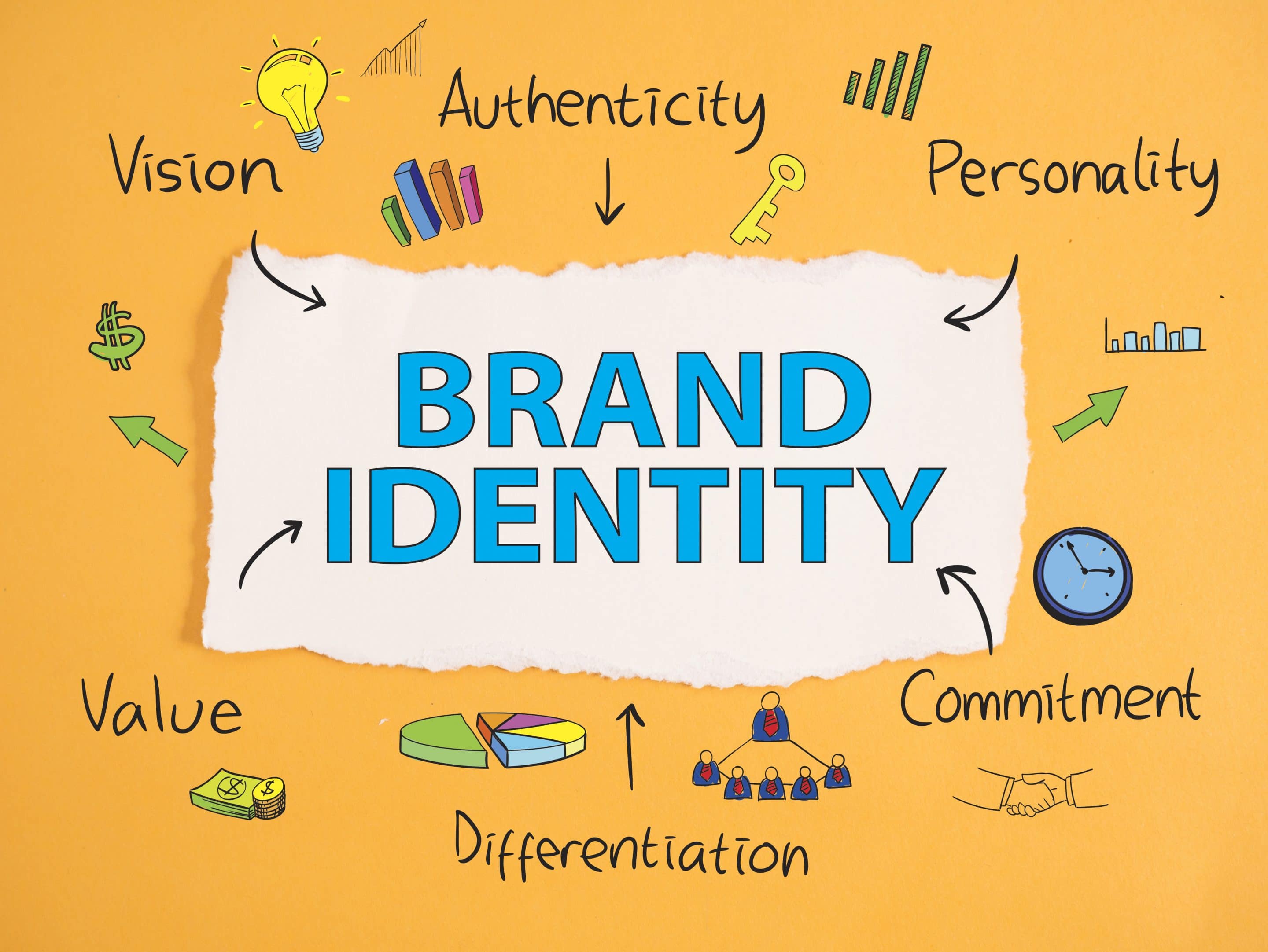
Consistency builds trust. Develop a recognizable visual identity and tone of voice that reflect your brand core. Choose a professional headshot, a restrained color palette, and type choices that read well on screens and in print. Keep design elements unified across your résumé, professional bio, presentation decks, portfolio, and email signature to signal attention to detail. Define a verbal style guide: preferred terminology, point of view, and the level of formality you use in messages, cover letters, and thought leadership. A short tagline further reinforces your focus without locking you into a single role. Extend this identity to offline assets, such as business cards and leave-behind one-pagers, to create a seamless handoff between meetings and online follow-up. The aim is recognition: when someone encounters your materials in different contexts, they should immediately associate them with your expertise, reliability, and professional standards. Consistency is not rigidity; it is a framework that clarifies your brand promise.
Build a Smart Online Presence
Treat your online footprint as a living portfolio. Optimize professional profiles with clear keywords, outcome-focused summaries, and concise descriptions of responsibilities that highlight results. Curate a content strategy around a few content pillars aligned with your UVP: industry insights, behind-the-scenes process notes, case takeaways, or practical how-tos that help your audience make better decisions. Use storytelling to connect data with human context, and invite conversation with thoughtful prompts. Prioritize value-first engagement by commenting substantively on relevant discussions and answering questions generously. Maintain a sustainable cadence rather than chasing volume, focusing on clarity and quality. Track meaningful signals such as inquiries, collaborations, and speaking invitations, not just surface-level reactions. Keep your portfolio examples current, prune outdated items, and ensure your about section, skills, and projects reflect your present focus. A reliable online presence compounds over time, making you discoverable, memorable, and easy to recommend.
Show Up Powerfully Offline
Your offline behavior completes the brand picture. Prepare for events, classes, and networking with a clear intention, brief research on attendees or hosts, and a few open-ended questions that spark useful dialogue. Lead with listening, then connect your expertise to the other person's needs without overselling. Keep a concise version of your elevator pitch ready, but adapt it to context and audience. Bring simple, well-designed materials that support conversation rather than dominate it. Practice confident yet relaxed body language, maintain presence, and respect time. After meetings, send a timely, specific follow-up that recaps value and proposes a next step. Strengthen relationships through helpful introductions and notes of appreciation. Consider speaking at meetups, participating in panels, or mentoring in community or academic settings to demonstrate leadership and generosity. When your offline conduct mirrors your online message, you build a coherent, trustworthy brand that travels through word of mouth.
Prove Your Value with Evidence
Claims persuade less than evidence. Assemble case studies that outline the challenge, your approach, and the measurable outcome, emphasizing your decision-making and collaboration. Include brief context, the actions you led, tools you used, and the business or learner impact achieved. Collect testimonials that reference specific strengths, such as clarity under pressure, stakeholder alignment, or instructional excellence. Showcase certifications, workshops completed, or relevant training that supports continuous learning, and explain how you applied that knowledge on the job. If you are early in your career or transitioning, create proof through targeted projects, pro bono work, volunteering, or capstone assignments that mirror real constraints. Publish process notes to reveal your thinking, not just finished deliverables. Organize evidence in a portfolio that is skimmable and credible, avoiding jargon without context. Tangible social proof reduces risk for decision-makers and turns your brand from a promise into a demonstrated track record.
Sustain and Evolve Your Brand
A strong brand is maintained, not declared. Schedule periodic audits of your materials, profiles, and messaging to ensure alignment with your skills, interests, and market needs. Seek feedback from mentors, peers, and managers, and translate insights into practical adjustments. Protect your reputation with clear boundaries, thoughtful communication, and calm handling of misunderstandings. Practice basic reputation management by correcting inaccuracies, acknowledging oversights, and documenting resolutions. Invest in continuous learning through courses, reading, and small experiments that expand your range without diluting your focus. Track career assets like achievements, lessons learned, and endorsements so they are ready when opportunities arrive. To avoid burnout, build simple systems for content creation, outreach, and follow-up, and leave room for rest and reflection. Treat your brand as a living strategy: consistent enough to be recognizable, flexible enough to grow with your capabilities and the evolving demands of your field.