Posture Power: Pain-Free Tips for Desk Workers and Drivers
Ease aches from long hours at a screen or behind the wheel with simple posture fixes, smart setups, and movement habits that keep your body pain-free.
Strong Foundations: Good posture is not about freezing into a stiff pose; it is about a neutral spine that moves with you. Picture your ears stacked over your shoulders, shoulders over your hips, and your pelvis like a level bowl that is not spilling forward or back. Feel your sit bones grounded, feet flat, and ribs gently aligned over the pelvis, avoiding a flared chest. Use diaphragmatic breathing to support this stack: inhale into your sides and back, and exhale to lightly engage your deep core, as if zipping up from the pelvis through the lower ribs. Set gentle check-ins during the day: scan jaw, tongue, shoulders, and low back for unnecessary tension, then soften. Remember, posture is dynamic; allow subtle shifts, ankle rocks, and shoulder blade glides. The goal is a sustainable, alert shape that you can maintain without strain, not a forced military stance. Over time, these micro-adjustments build resilience and keep discomfort at bay.
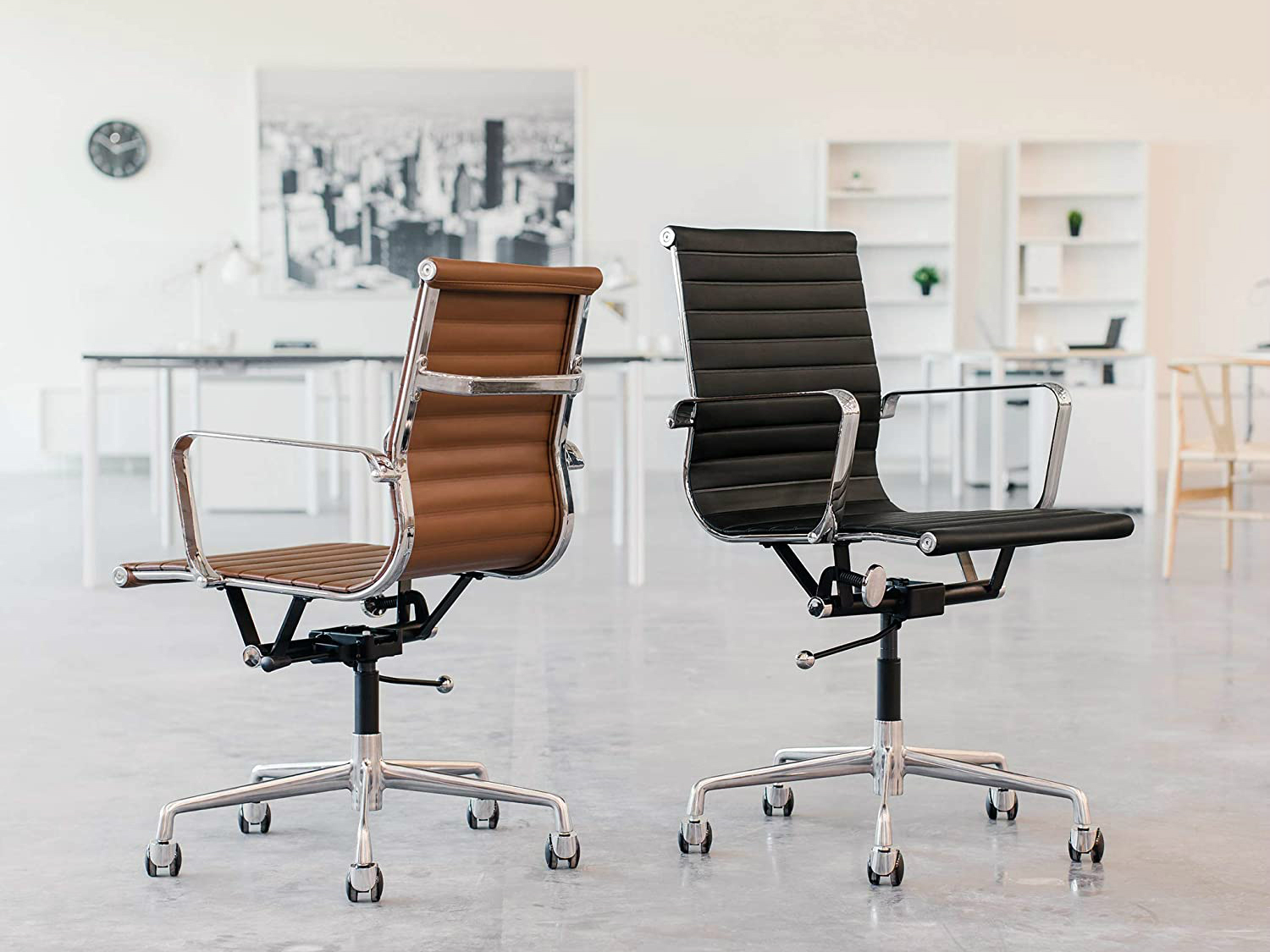
Desk Setup Essentials: A thoughtful ergonomic setup helps your body do less compensating. Adjust chair height so your knees are near hip level and your feet are fully supported. If the seat pan is deep, ensure a small gap behind your knees; add a cushion if needed. Find lumbar support with a small towel roll to maintain your natural curve. Keep the keyboard close so elbows rest near your sides with wrists in a neutral position, and place the mouse at the same height to avoid reaching. Align the monitor at arm's length, with the top third near eye level, tilting slightly to reduce glare and neck strain. Laptop users can raise the screen and use an external keyboard and mouse to prevent hunching. Store frequently used items within easy reach to reduce twisting. Fine-tune daily: tiny changes in seat depth, armrest height, and screen angle can make a big difference when maintained consistently.
Move More, Hurt Less: Even a perfect setup cannot replace movement. Short, regular micro-breaks rehydrate tissues, boost circulation, and interrupt the slouch cycle. Stand to stretch your hip flexors, rise onto your toes for calf pumps, or perform gentle chin tucks and shoulder blade squeezes to reset your upper back. Between tasks, add movement snacks: a slow spinal roll, a few air squats, or a hallway walk. Pair breaks with routines you already do, such as calls, refills, or message checks, to build effortless consistency. When seated, vary positions: uncross legs, shift your weight, and alternate between backrest support and active sitting. Use breathing to guide motion—exhale to elongate, inhale to expand. These simple patterns calm the nervous system and reduce bracing. Over time, frequent low-intensity movement outperforms occasional intense sessions. Think rhythm, not heroics: small, repeatable actions keep joints happy, muscles supple, and posture naturally upright without forcing it.
Driver Seat Dynamics: For drivers, smart setup means comfort plus control. Slide the seat so you can fully press pedals without locking your knees, keeping a gentle bend at hips and knees. Adjust backrest to support a neutral spine, not a reclined lounge or rigid bolt-upright stance. Bring the steering wheel within comfortable reach so elbows have a slight bend, and set the headrest to meet the middle of the back of your head for neck safety. Keep pockets clear—especially remove a back-pocket wallet—to avoid pelvic tilting. Align mirrors to encourage an upright posture, reducing the temptation to crane forward. During red lights, perform subtle resets: long exhales, gentle pelvic tilts, and shoulder blade slides down and back. On longer trips, plan stretch stops to open hips, calves, and chest. Use both hands on the wheel at a balanced level to limit asymmetry. These tweaks help distribute load, lower fatigue, and protect your back and neck while you clock the miles.
Core, Hips, and Breath: Your core is a pressure system, not just abs. Practice low-intensity bracing: exhale and gently cinch the waist, as if tightening a belt one notch, feeling the lower ribs drop without collapsing the chest. Pair this with glute activation to stabilize the pelvis: seated glute squeezes, small bridges during breaks, or short sets of standing hip hinges. Add seated marches to train hip flexors without gripping the low back, and sprinkle in ankle dorsiflexion reps to wake up the chain from the ground up. Breathe through the nose when possible, expanding the rib cage in 360 degrees to share the workload across the diaphragm, obliques, and back muscles. On inhales, lengthen your spine; on exhales, stack ribs over pelvis. This synergy reduces compensations like overarched low backs or shrugged shoulders. A stable, mobile center makes upright sitting and steady driving feel easier, transforming posture from a chore into an efficient habit.
Eyes, Neck, and Shoulders: Visual strain often drives forward head posture and tight shoulders. Follow the classic practice of periodic gaze shifts: look at something far away, blink slowly, and let your eyes track side to side before returning to your screen or the road. Balance screen brightness with ambient light and reduce glare to prevent squinting that stiffens the jaw and upper traps. Perform gentle chin nods, imagining a string drawing the crown of your head upward while the chin retreats slightly. Add slow neck rotations and side bends within a comfortable range, paired with scapular retraction and depression to restore alignment. Rest the tongue on the roof of the mouth and unclench the jaw; this relaxes muscles linked to the neck. Drivers can glance far down the road regularly to vary focal distance. Desk workers can elevate documents or use stands to keep eyes level. Calm eyes and relaxed shoulders invite the spine to lengthen naturally.
Recovery and Consistency: Posture thrives on recovery and routine. In the evening, unwind with a short sequence: gentle spinal rotations, hip flexor and hamstring openers, and a comfortable chest stretch using a doorway or the edge of a couch. A warm shower or light heat can ease tissues before mobility work. For sleep, aim for a neutral neck with a supportive pillow, and if side sleeping, place a soft pillow between knees to keep hips aligned. Build consistency by habit stacking: after logging off, do two minutes of breathing and one mobility drill; after parking, do a pair of standing stretches. Track wins with a simple checklist and celebrate small improvements like fewer aches or easier deep breaths. Adjust one variable at a time so changes are noticeable and sustainable. If discomfort persists or radiates, consult a qualified professional for guidance. With patient repetition, these strategies turn good posture into a durable, pain-resistant lifestyle.