Sustainable Home Swaps: Simple Eco-Friendly Upgrades
Cut waste, save money, and shrink your footprint with easy, low-cost home swaps—from LEDs to leak fixes—that make sustainable living simple.
Energy-Saving Essentials
Replacing power-hungry lights with LED bulbs is a quick swap that cuts use and brightens rooms with a warmer, more consistent glow. Pair those bulbs with smart power strips to stop electronics from quietly drawing energy when idle, and add a smart thermostat to smooth out temperature swings and reduce wasted heating or cooling. Simple weatherstripping around doors and windows, along with caulk in tiny gaps, prevents drafts that force systems to work harder. For windows, thermal curtains or cellular shades help keep warmth in during cold spells and block heat on hot days. Consider ceiling fans to circulate air efficiently, letting you adjust the thermostat a few degrees while staying comfortable. If replacement is on the horizon, choose efficient appliances with features you will actually use, and position your fridge away from ovens or sunny windows to reduce strain. Combine these swaps with routine filter changes and gentle maintenance to keep systems running smoothly and your energy footprint pleasantly small.
Water-Wise Fixtures
Switching to low-flow showerheads and faucet aerators trims water use without sacrificing comfort, thanks to pressure-balancing designs that feel full while using less. If a full replacement is not in the plan, add a toilet tank weight or adjustable flapper to reduce each flush, or consider a dual-flush conversion kit for a tailored upgrade. In kitchens, a pull-down spray helps rinse efficiently, while soaking dishes in a basin avoids running taps. Fixing leaky faucets and quiet drips is one of the most impactful swaps you can make, since small, steady losses add up quickly. For laundry, choose cold-water cycles when possible and wait to run full loads. Outside, attach a simple shutoff nozzle to hoses so water flows only when needed. Pair these hardware tweaks with mindful habits like timing showers, collecting water while it warms for plants, and selecting water-efficient fixtures that match your style. The result is a noticeable reduction in utility use without losing daily convenience.
Healthier Air and Low-Toxic Cleaning
Trade harsh products for plant-based cleaners that rely on straightforward ingredients and avoid heavy fragrances that linger. A basic kit of baking soda, castile soap, and white vinegar handles counters, glass, and grime with minimal residue, while microfiber cloths lift dust so you use less solution overall. Improve indoor air with regular ventilation: open windows when weather allows and run exhaust fans during showers and cooking to reduce humidity and odors. In high-traffic areas, a sturdy doormat and a shoe-free policy keep outside debris from entering, lowering the need for constant cleaning. If you rely on air purifiers, choose models with HEPA filters and maintain them on schedule. For ambiance, consider beeswax or soy candles with cotton wicks, or opt for essential-oil diffusers used sparingly and with sensitivity to pets and allergies. A fresh coat of low-VOC paint where needed can minimize fumes while refreshing walls. These swaps create a calmer, cleaner home environment that prioritizes well-being and gentle routines.
Conscious Materials and Furnishings
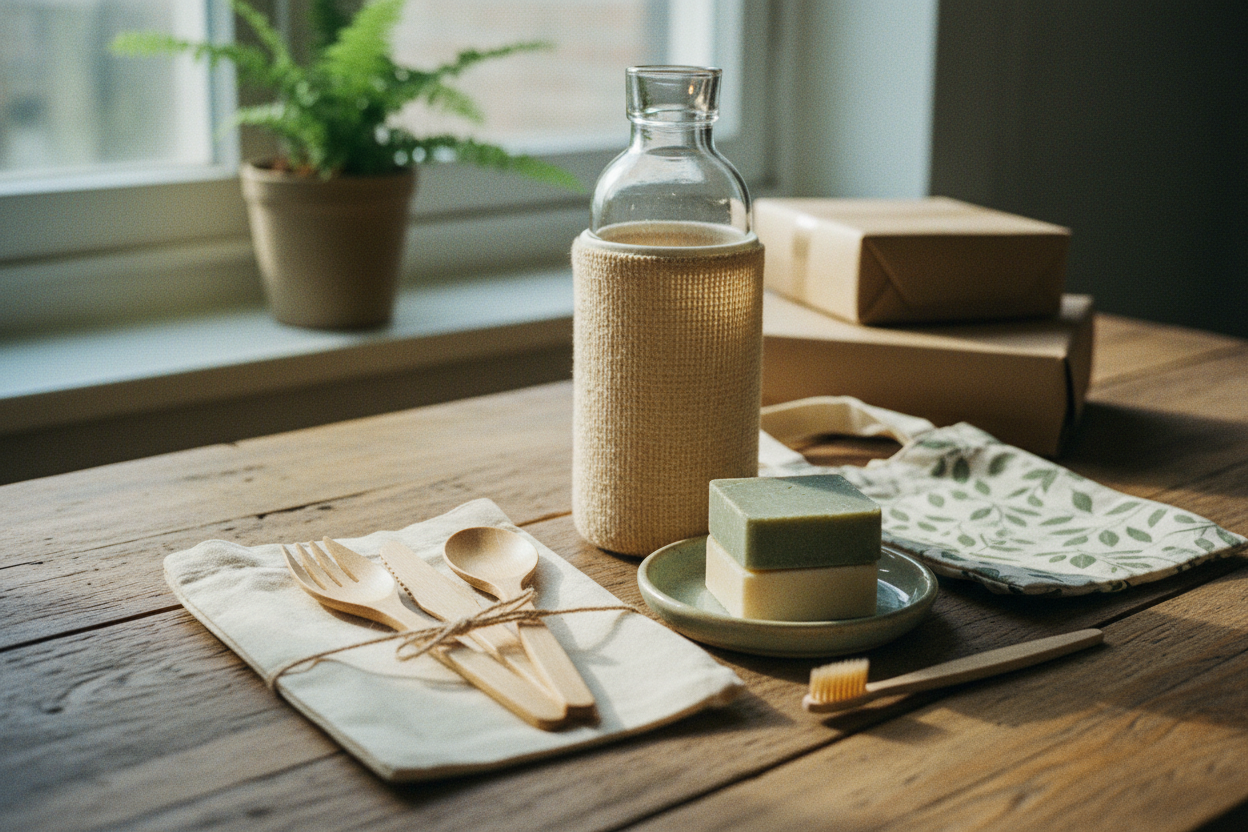
Before buying new, look at what you own with a creative eye for upcycling: refinish a scuffed table, reupholster a chair with natural fabrics, or replace hardware to give cabinets a modern feel. When purchasing, choose durable materials like solid wood, metal, or bamboo instead of short-lived composites, and favor low-VOC finishes that safeguard indoor air. Opt for organic textiles such as cotton, linen, or hemp for bedding and curtains, which often wash well and age gracefully. Seek pieces that are modular or easily repairable so you can swap components instead of discarding whole items. For flooring, consider cork or sustainably sourced timber with protective finishes designed for long life. In the kitchen, swap disposable items for reusable containers, cloth napkins, and silicone mats that stand up to repeated use. Even small details matter: LED task lighting for work zones, reclaimed shelves for storage, and minimalist decor that emphasizes quality over quantity. Thoughtful choices here lower waste and create a timeless, adaptable aesthetic.
Greener Garden Upgrades
Transform outdoor spaces with plants that thrive on local conditions. Prioritize native plants and drought-tolerant perennials that need less water and support beneficial wildlife. Replace thirsty lawn sections with mulch, groundcovers, or edible beds that provide fresh herbs and produce. For watering, install drip irrigation or soaker hoses under mulch to deliver moisture straight to roots, and water early or late to reduce evaporation. Start a simple compost system for kitchen scraps and yard trimmings; the resulting nutrient-rich soil boosts plant health and reduces reliance on synthetic fertilizers. Add a rain garden or swale to guide runoff into the landscape, and consider a rain barrel for gentle irrigation. Choose electric or manual garden tools over gas models to cut emissions and noise. Leave some leaf litter in tucked-away spots to create habitat for pollinators and beneficial insects. These swaps build resilience, conserve resources, and turn your yard into a vibrant, low-maintenance retreat that rewards every season.