Tailoring 101: Small Alterations, Big Style Impact
Discover how simple hems, darts, and sleeve tweaks sharpen your silhouette, elevate basics, and stretch your wardrobe—without a big budget.
Fit First, Always
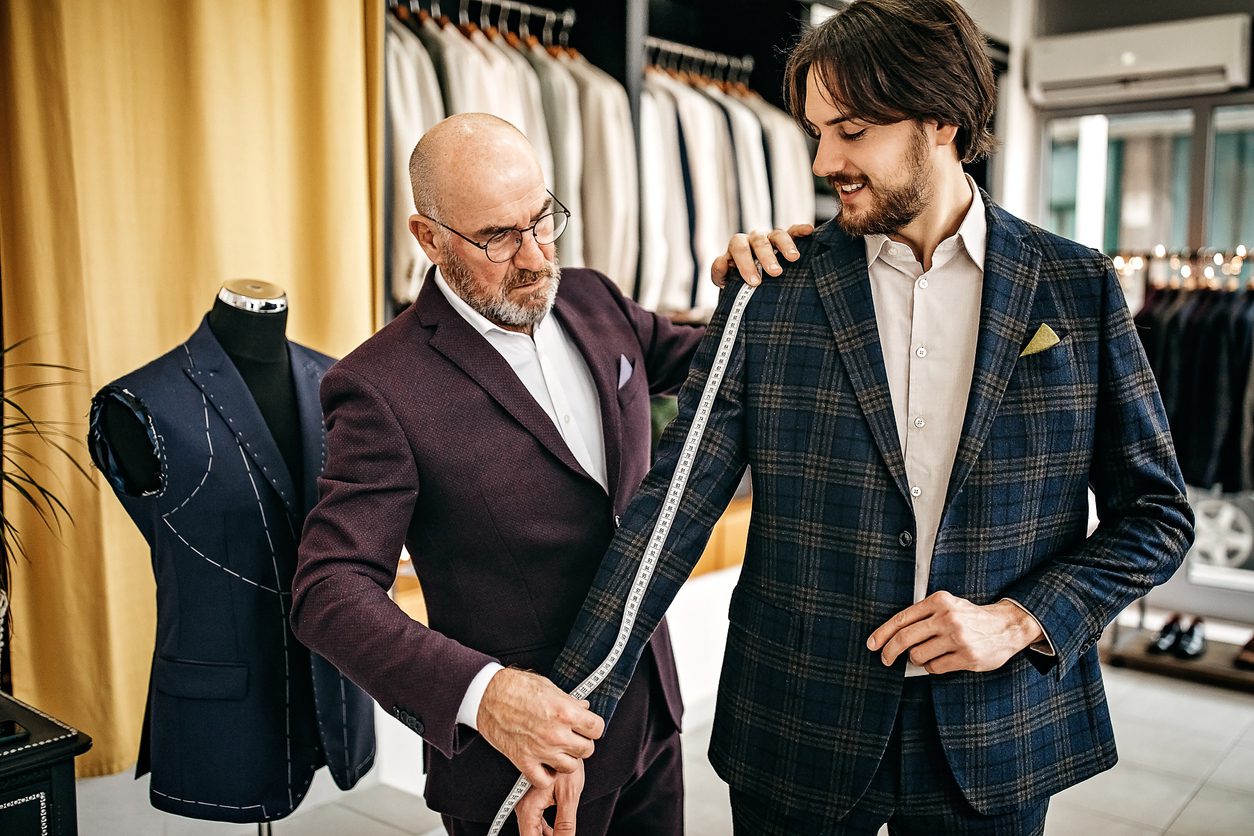
Small alterations deliver outsize results because they refine fit, and fit is what makes clothing look intentional. Start by evaluating proportion and balance on your frame: where does fabric puddle, pull, or twist, and where does it hang clean? Note the feel of ease at key points like shoulders, chest, waist, hips, and seat. A tailor can test adjustments with temporary basting so you can see changes before anything is permanent. Seek pieces with sufficient seam allowance and straightforward construction, which provide room to tweak without stressing the fabric. Pay attention to grainline; when altered along the proper grain, garments drape better and keep their shape. As a rule, aim for subtlety: taking in a jacket slightly or refining a waistband by a modest amount can create a sharper line than a dramatic overhaul. Choose materials wisely; sturdy wools and denim often forgive small stitches, while slippery fabrics demand more finesse. When in doubt, prioritize clean lines that highlight posture and movement.
Hemlines and Sleeves, Instant Polish
Length is a style lever you can fine-tune in minutes. On trousers, the hem decides your break—from no break to a gentle kiss over the shoe—shaping the entire silhouette. A neat blind hem or carefully matched topstitch preserves the original look, while adding kick tape protects cuffs from wear. Slightly tapered legs can modernize volume without appearing tight, provided knee and calf measurements remain comfortable. For skirts and dresses, hem depth affects drape; a wider hem often swings elegantly, while a narrow one feels crisp. Use even pinning and try on with the shoes you plan to wear to lock in a consistent visual line. Sleeves are similar: a precise wrist finish elongates the arm and showcases timepieces or cuffs. Shortening from the cuff maintains plackets and vent details on shirts; on knits, rebind the edge for a clean result. Always finish with careful pressing and steam, which blends stitches into the fabric and makes alterations disappear.
Shape the Waist, Flatter the Frame
A well-placed dart or a subtle nip at the side seam can transform a boxy garment into one that honors your natural lines. For trousers that gap at the back, reducing the center-back seam or adding small darts often solves the issue without disturbing pockets. On skirts and dresses, redistributing volume with darts or a slight taper at the side seams refines the midsection while respecting movement. If the waistband sits right but feels loose, shifting a button or moving hook-and-bar closures creates instant control. Conversely, if fabric feels tight, a discreet gusset can release pressure at the hip or thigh. Always assess changes holistically: tightening the waist can affect rise and seat comfort, so a mirror check from multiple angles is essential. Align alterations with seam lines that already exist, and maintain symmetrical shaping to preserve balance. The goal is gentle contouring that celebrates your proportions, not a squeeze that restricts breath or stride.
Shoulders and Silhouette, Subtle Engineering
Shoulders set the tone for everything below, so even small refinements pay dividends. While major shoulder reconstruction is complex, light adjustments to the shoulder seam or a modest pad swap can square posture and align sleeves. If a jacket reads wide through the frame, consider reducing at the center back and side seams before touching the shoulder; this keeps the garment's architecture intact. Slightly refining the armhole can improve mobility and reduce drag lines, provided sleeve pitch is respected. For overall shape, define a clean silhouette with restrained moves: taper a body panel, clean up side seams on a skirt, or trim length to hit a more flattering rule-of-thirds point. Shortening a blazer to meet your hand's mid-palm can visually lengthen legs, while a gentler waist nip brings focus to the torso without pinching. Throughout, press seams open, check button alignment, and review how the garment behaves in motion—walking, sitting, and reaching—before final stitching.
Smart Strategy, Care, and Value
Thoughtful tailoring is a style multiplier and a sustainable habit. Decide what to DIY and what to entrust to a pro: basic hems, buttons, and minor hand-stitches are approachable; shoulder, lining, or complex fabric work calls for expertise. Communicate clearly—pin your ideal lengths, bring the shoes and layers you plan to wear, and describe how you need the garment to perform. Budget by impact-per-wear: refine everyday trousers, blazers, and skirts first, because small improvements there compound quickly. Keep a compact kit—seam ripper, fine needles, tailors chalk, measuring tape, and a quality iron—for touch-ups and small fixes. After alterations, follow care instructions meticulously; pressing refreshes shape, and gentle laundering protects new seams. Store offcuts and spare buttons for future tweaks. Finally, reassess fit periodically; bodies, preferences, and wardrobes evolve. By making incremental, informed changes, you extend garment life, reduce waste, and unlock confident style with pieces you already own.